🔖 Introduction
About the project
Designed and developed a Java Spring Boot-based POS system using a microservice architecture for the retail industry. The system leveraged Eureka Server for service discovery, API Gateway for request routing, and Apache Kafka for inter-service communication. Keycloak was implemented for authentication and authorization, ensuring secure access.
For deployment, I used AWS EKS with Docker and Kubernetes, incorporating Nginx as a reverse proxy and Cloudflare for subdomain management. Certbot was utilized to obtain SSL certificates for secure communication. AWS SES handled email services, while Grafana and Prometheus were integrated for real-time monitoring and performance analysis.
🤔 Problem space
Problems to solve/Requirements to Create
The client needed a robust and scalable POS system capable of handling high transaction volumes across multiple locations. Key requirements included secure authentication, real-time data synchronization, seamless microservice communication, cloud deployment, and efficient monitoring to ensure system reliability and performance.
👉 Problem/Requirement:
The client’s existing POS system lacks scalability, security, and real-time communication between services, leading to transaction delays, authentication issues, and operational inefficiencies across multiple locations. Additionally, synchronous communication between services causes high latency and bottlenecks during peak transactions.
Current Solution:
Currently, the client operates a monolithic POS system, where all functionalities—transactions, inventory, user authentication, and reporting—are tightly coupled. This results in slow performance, difficulties in scaling, and a single point of failure. Additionally, authentication relies on basic session-based login, making it vulnerable to security risks and limiting centralized user management. Furthermore, synchronous API calls slow down request processing, leading to delayed transactions and inefficient service handling.
Key Challenges:
Slow transaction processing due to lack of efficient inter-service communication and reliance on synchronous requests.
Limited scalability as the monolithic architecture struggles with high traffic loads and growing business needs.
Security vulnerabilities due to the absence of centralized authentication and access control.
Lack of real-time monitoring, making system performance issues hard to detect and troubleshoot.
How do we know it is a problem
👉 Problem: Scalability and Performance Bottlenecks
Extended Problem Statement
The existing monolithic POS system struggles with high transaction volumes, leading to slow performance and downtime during peak hours. Without proper load balancing and auto-scaling, the system experiences bottlenecks when multiple users access it simultaneously, impacting checkout speed and real-time inventory updates.
Current Solution
Retailers rely on a single, centralized database and application server to handle transactions, which results in server overload during peak usage. To mitigate issues, some businesses manually add more resources or restart services, but these workarounds are inefficient and do not solve the scalability problem.
How I Solved It
Used Kubernetes for container orchestration, enabling auto-scaling based on demand.
Implemented load balancing to distribute traffic efficiently across multiple instances.
Deployed services in Docker containers, allowing for faster scaling and better resource management.
Results
✅ The system now automatically scales up during high traffic periods and scales down during low usage, optimizing resource utilization.
✅ Improved transaction speed and reduced downtime, ensuring smooth operations even under heavy loads.
👉 Problem: Security and Access Management Issues
Extended Problem Statement
The previous system used basic session-based authentication, making it vulnerable to session hijacking, unauthorized access, and lack of centralized control. There was no single sign-on (SSO) or role-based access control (RBAC), forcing admins to manually configure permissions for each user, increasing security risks.
Current Solution
The old system relied on local database-stored login credentials, which were prone to security breaches. Employees often shared credentials, and password policies were weak, making the system an easy target for attackers.
How I Solved It
Implemented Keycloak for centralized authentication and authorization with SSO and RBAC support.
Enforced Multi-Factor Authentication (MFA) to enhance security.
Used Kubernetes secrets to securely store authentication data and prevent unauthorized access.
Results
✅ Improved security with centralized authentication and role-based access control.
✅ Reduced unauthorized access attempts, making the system more compliant with security best practices.
✅ Easier user management, allowing admins to assign roles dynamically without manual intervention.
👉 Problem: Lack of Secure Communication & SSL Encryption
Extended Problem Statement
The previous POS system lacked proper HTTPS encryption and efficient inter-service communication, making it vulnerable to man-in-the-middle (MITM) attacks and high-latency transactions. Without SSL certificates, secure communication between microservices and external clients was not guaranteed. Additionally, synchronous service calls caused bottlenecks, reducing system performance and responsiveness under high loads.
Current Solution
The system originally ran on HTTP without end-to-end encryption, exposing customer data and payment information to potential cyber threats. Some businesses relied on manual SSL configurations, but these were inconsistent and difficult to manage. Furthermore, services communicated synchronously, causing delays when handling multiple concurrent requests.
How I Solved It
Used Certbot to obtain and manage SSL certificates, ensuring secure HTTPS communication.
Configured Cloudflare for subdomain management, adding DDoS protection and enhanced security.
Deployed Nginx as a reverse proxy, enforcing secure traffic routing between services.
Integrated Apache Kafka for asynchronous communication, enabling real-time data streaming and handling multiple requests efficiently, reducing response times and system bottlenecks.
Results
✅ Secured all communications with HTTPS, protecting sensitive data from MITM attacks.
✅ Improved compliance with security standards, reducing the risk of data breaches.
✅ Automated SSL certificate renewal, eliminating manual overhead and ensuring continuous security.
✅ Enhanced inter-service communication with Apache Kafka, allowing faster, event-driven processing and eliminating delays caused by synchronous calls.
Why solve these problems?
Importance of Addressing These Issues Now
Solving these problems is crucial for business continuity, security, and scalability. A modern, cloud-based, secure and scalable POS system can significantly enhance performance, user experience, and operational efficiency while reducing risks associated with security breaches and system downtime.
Key Reasons for Solving These Problems Now
🚀 Scalability & Future Growth: The retail industry is evolving, and businesses need a POS system that can scale dynamically with increasing demand, ensuring seamless operations during peak hours.
🛡️ Security & Compliance: With rising cybersecurity threats and strict regulatory requirements (e.g., PCI DSS), implementing Keycloak, SSL certificates, and centralized authentication ensures data protection and compliance.
⏳ Reduced Downtime & Faster Transactions: A slow or crashing POS system directly impacts revenue and customer experience. By leveraging Kubernetes for auto-scaling and load balancing, businesses can reduce wait times and prevent downtime.
📊 Real-Time Monitoring & Issue Detection: Grafana & Prometheus integration allows businesses to track system performance and detect issues proactively, reducing operational costs and service interruptions.
💡 User Satisfaction Matrix
User Need | Before Implementation | After Implementation |
|---|---|---|
Transaction Speed | 🚨 Slow & delayed | ✅ Fast & real-time |
System Downtime | 🚨 Frequent crashes | ✅ Auto-scaled & stable |
Security & Access Control | 🚨 Weak & vulnerable | ✅ Centralized & secure |
Scalability | 🚨 Limited capacity | ✅ Auto-scaling enabled |
Monitoring & Issue Detection | 🚨 Reactive troubleshooting | ✅ Real-time alerts & dashboards |
Goals
Company objective 🎯
💡 To build a modern, scalable, and secure POS system that enhances transaction speed, ensures seamless operations across multiple locations, and provides real-time monitoring and security compliance.
This project contributes to the company's digital transformation by:
✅ Improving scalability and performance using Kubernetes and microservices
✅ Enhancing security with Keycloak for authentication and Certbot for SSL encryption
✅ Reducing downtime through auto-scaling and load balancing
✅ Providing real-time insights with Grafana and Prometheus for system monitoring
Project goals
💡 These goals align with the high-level company objective of building a scalable, secure, and high-performance POS system for seamless operations.
🚀 Implemented Microservice Architecture: Designed a Java Spring Boot-based POS system using KeyCloak, AWS, and Apache Kafka for efficient inter-service communication and scalability.
🔄 Enabled Asynchronous Communication with Apache Kafka: Implemented Apache Kafka to facilitate asynchronous communication between microservices, allowing the system to handle multiple requests simultaneously without performance degradation. This reduced response times and improved transaction processing efficiency.
🛡️ Strengthened Security: Integrated Keycloak for centralized authentication, enabling SSO, MFA, and RBAC, ensuring secure user access and compliance.
⚡ Optimized Performance & Scalability: Used Kubernetes with auto-scaling to handle high traffic loads, ensuring smooth transactions and reduced downtime.
🔒 Enhanced Data Security: Implemented Certbot SSL certificates and Cloudflare for subdomain management, ensuring secure encrypted communication across services.
📊 Improved System Monitoring & Analytics: Integrated Grafana & Prometheus for real-time system monitoring, allowing proactive issue detection and performance tracking.
🛠️ Simplified Deployment & Maintenance: Deployed the system on AWS EKS with Docker and Kubernetes, automating scaling, load balancing, and containerized service management.
User Stories
User type: Cashier
The Cashier is using the POS system to process customer transactions and manage sales. They need an easy-to-use interface that allows quick payment processing, inventory management, and access to customer details.
Goals:
Process transactions efficiently, even during peak hours.
Retrieve customer and product information quickly.
Handle payment methods such as credit/debit cards, mobile payments, and cash.
Needs:
Seamless real-time transaction processing.
Secure payment handling with minimal input time.
Reliable data synchronization across locations for up-to-date inventory and transaction records.
Other characteristics:
Needs an intuitive, user-friendly interface.
High-paced, requiring fast load times and minimal delays during peak transaction hours.
User type: Admin
The Admin oversees the entire system, including user management, reporting, and monitoring POS system performance. They need full control over configurations, security settings, and performance insights.
Goals:
Configure the POS system settings (user roles, permissions, etc.).
Monitor and generate detailed reports on transactions, sales, and inventory.
Ensure system security and manage access control.
Needs:
Centralized user authentication and access control for secure login.
Real-time system monitoring to track performance (e.g., sales trends, system health).
Role-based access control for managing different user permissions (cashiers, managers, etc.).
Other characteristics:
Needs detailed data analysis and reporting capabilities.
Requires efficient handling of sensitive data, such as financial information and user credentials.
UI Design
The UI design is crafted to ensure a seamless, intuitive experience for users at all levels—from cashiers to administrators. It emphasizes speed, security, and efficiency while ensuring consistency across different screens.
Design Concept:
The UI flow is designed to handle high-traffic retail environments, offering clear, easy-to-navigate interfaces that prioritize essential features like transaction processing, inventory management, and real-time data syncing. Here's an outline of the key screens:
Login Screen (Admin / Cashier):
Simple, clean layout with easy-to-spot login fields and multi-factor authentication for security.
Clear login error handling and password recovery options.
Dashboard (Admin):
Overview of transactions, user activity, and system health using real-time metrics.
Actionable alerts for admin, such as low stock levels or transaction failures.
Transaction Screen (Cashier):
Streamlined interface for processing sales with quick access to products and payment options.
Clear confirmation screens and receipt printing options.
Inventory Management Screen (Admin):
Simple, searchable inventory list with easy stock updates and real-time synchronization across locations.
UI Implementation
Development Phase
Technology Stack Selection
1. Backend - Java Spring Boot with Hibernate & Spring Data JPA
Why Java Spring Boot?
Rapid Development: Spring Boot offers out-of-the-box configurations and easy setup, allowing developers to focus on business logic rather than complex configurations.
Scalability & Performance: Spring Boot provides excellent scalability, making it ideal for handling high transaction volumes and large-scale POS systems.
Security Features: Built-in support for security mechanisms (authentication, authorization) through Spring Security and integration with Keycloak.
Microservices Support: Spring Boot simplifies the creation and management of microservices, which is essential for a modular POS system architecture.
Why Hibernate & Spring Data JPA?
Object-Relational Mapping (ORM): Hibernate provides a powerful ORM framework for managing database interactions, reducing the complexity of SQL queries and allowing object-oriented programming to handle relational data seamlessly.
Simplified Data Access: Spring Data JPA offers a repository-based approach to database access, allowing easy and intuitive CRUD operations with minimal boilerplate code.
Database Agnosticism: With Hibernate, it’s easy to switch databases or scale horizontally, providing flexibility for future growth.
2. Frontend - Angular
Why Angular?
Two-Way Data Binding: Angular’s two-way data binding simplifies the synchronization between the model (data) and the view (UI), reducing the amount of code required to manage UI states and making it easier to update the user interface dynamically.
Component-Based Architecture: Just like React, Angular follows a component-based architecture, ensuring reusability, maintainability, and modularity.
TypeScript Integration: Angular uses TypeScript by default, providing static typing and enhancing developer productivity by catching errors early in the development cycle.
Key Features of the Software
💡 List down the Key Features you implemented in the Software
Challenges Faced and Solutions
🚀 Challenge 1: Auto-Scaling in Microservices
Problem
Handling fluctuating traffic loads efficiently was a major challenge. During peak transaction times, the system experienced performance degradation due to increased load on microservices. Manual scaling was not feasible, as it required constant monitoring and intervention.
Solution
✅ Implemented Kubernetes Horizontal Pod Autoscaler (HPA):
Configured HPA in Kubernetes to automatically scale microservices based on CPU and memory usage.
Ensured each microservice had the right resource limits and requests to allow Kubernetes to make intelligent scaling decisions.
✅ Implemented Apache Kafka for Asynchronous Communication:
Instead of synchronous API calls, leveraged Kafka message queues to handle high transaction volumes asynchronously.
Reduced direct service-to-service dependencies, improving system resilience and scalability.
🌍 Challenge 2: Implementing Kubernetes Manifest Files with Terraform
Problem
Managing Kubernetes infrastructure manually became complex and error-prone. Defining multiple YAML files for Kubernetes deployments, services, and configurations made maintenance difficult.
Solution
✅ Used Terraform for Kubernetes Deployment Management:
Defined Kubernetes manifests (Deployments, Services, Ingress, ConfigMaps, Secrets, HPA, etc.) in Terraform.
✅ Automated Deployment with CI/CD (GitHub Actions ):
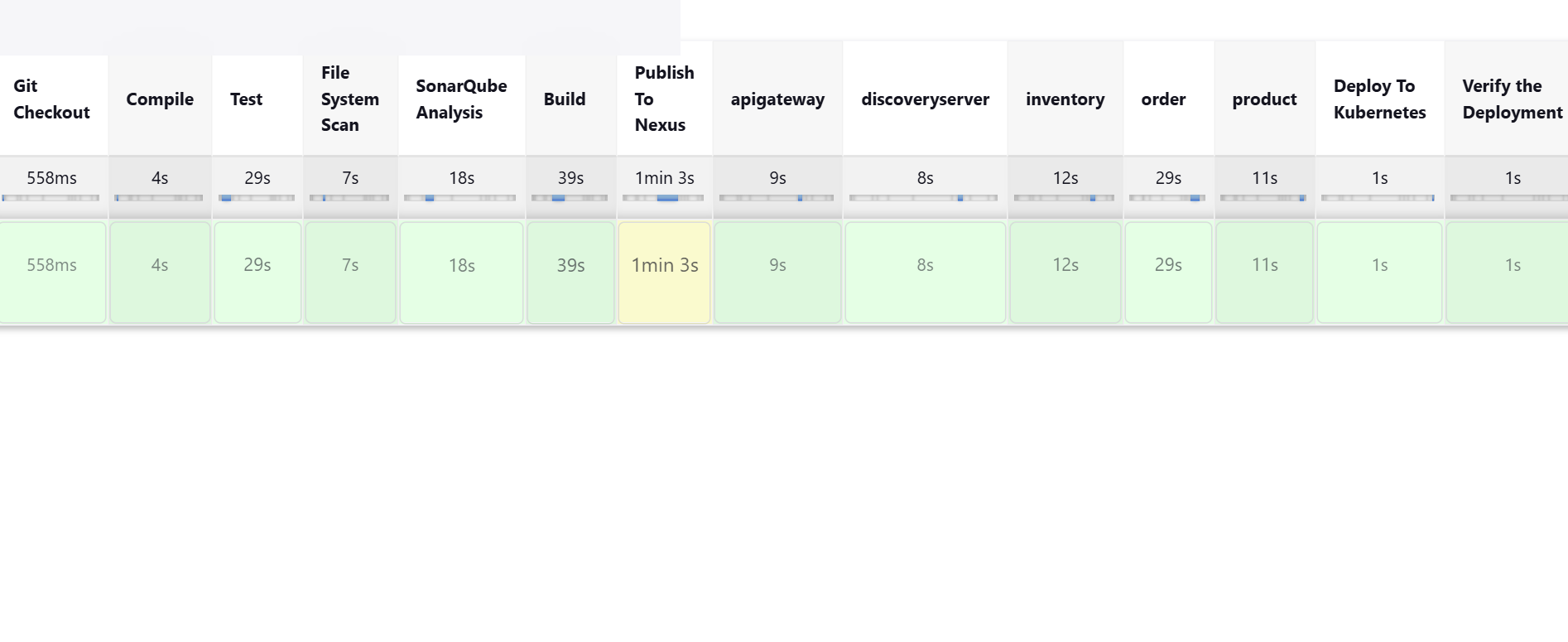
Automated the deployment process using GitHub Actions .
Future Vision / next steps
🌍 Long-Term Vision
The goal is to further enhance the POS system by improving its scalability, security, and user experience while optimizing infrastructure costs. Future iterations will focus on advanced analytics, AI-driven recommendations, and seamless integrations with third-party services.
📌 Next Iterations & Roadmap
🔹 V.2 – UI & User Experience Enhancements
✅ Redesign UI with Angular Material & Tailwind for a Modern Look
✅ Introduce a Progressive Web App (PWA) Version for Offline Transactions
✅ Add Multi-Language Support for Global Reach
✅ Enhance Role-Based Access Control (RBAC) with Fine-Grained Permissions
🔹 V.3 – AI & Data-Driven Enhancements
✅ AI-Driven Sales & Inventory Predictions
✅ Real-Time Fraud Detection using ML Models
✅ Personalized Customer Offers & Discounts Based on Purchase Behavior
✅ Integrate Voice Search & Chatbot for Faster Customer Support
🔹 V.4 – Seamless Integrations & API Expansion
✅ Integrate with Third-Party Payment Gateways like Stripe & PayPal
✅ Expand API Capabilities for Third-Party Developers
✅ Support Multi-Tenant SaaS Model for POS as a Service
✅ Enable Blockchain for Secure Transaction Logging
📌 Pipeline