ReactJSNodeJSExpressJS5+
Artificial IntelligenceHirelyAI (AI-powered Job Application Platform)
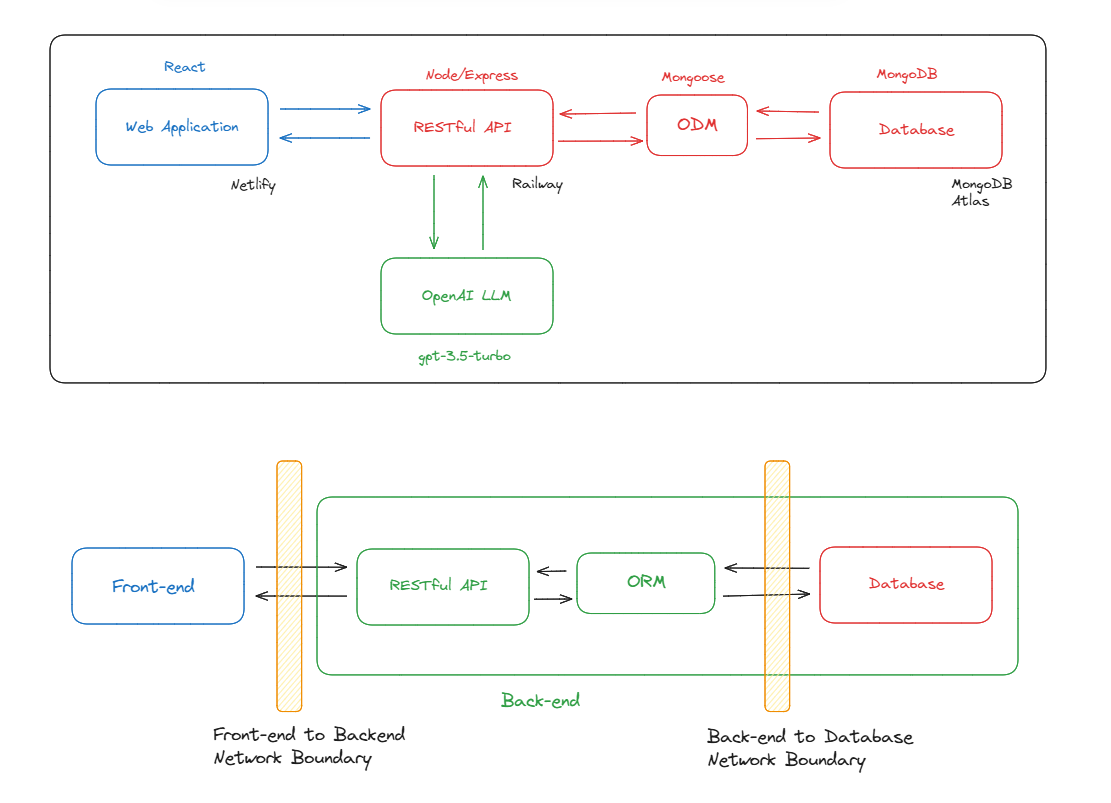
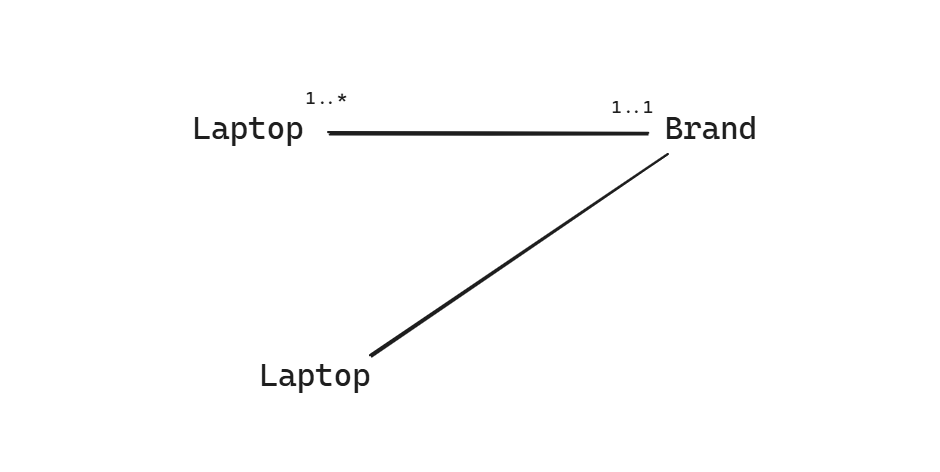
HirelyAI is an AI-powered job evaluation platform that helps recruiters and job seekers connect efficiently. Instead of traditional resume matching, HirelyAI assesses applicants based on their responses to a series of questions and provides an AI-driven evaluation of their suitability for a role. To check how the AI feature is working, you need to get admin access. Once you have access, you can go to the dashboard and check the AI features. Do you need to check the admin section (AI feature) in this application? If so, follow the steps. So First of all, we log in to the app and gain access to all features for the admin section. Project Access Guide Test Account Login Instructions Quick Access Steps Open Project Click on the deployed project link Login Steps Access the Login Page Navigate to the project's login screen You will see a login interface Enter Credentials Username: john Password: Johndoe&123 Hooray! 🎉 Now you have all Admin Features Navigate through the project Test all parts and AI features through Admin Dashboard. Step 1: Access the Admin Dashboard Click on the "Admin Dashboard" button located in the top right corner of the screen Step 2: Navigate to Job Postings Click on the "Job Posts" button located in the top right corner of the screen Step 3: Navigate to a Job Post Look for the "Current Job Postings" section Verify the job details (in this case, Software Engineer - Full-time, remote) Step 4: View Job Applications In the "Job Applications" section, you'll see a list of applicants Click "View" next to the applicant you want to review Step 4: Review Applicant Details with AI Features So now you can see whether the applicant is a good, moderate, or bad applicant based on their job application answers. Troubleshooting If login fails, please contact me. Email: dhemjitha@gmail.com 🤔 Problem space Problems to solve/Requirements to Create Hiring managers and recruiters need a faster, smarter way to evaluate job applicants without spending hours manually reviewing each submission. Applicants also need clear, personalized feedback to improve their chances in future applications. HirelyAI aims to automate applicant evaluation and feedback, saving time and improving the hiring experience for both recruiters and candidates. 👉 Problem: Inconsistent Job Applicant Evaluation Problem Statement: Hiring managers and recruiters struggle to quickly assess the quality of job applicants due to the overwhelming volume of applications. Manually reviewing each application often leads to inconsistencies and delays in the hiring process. Current Solution: Currently, hiring managers review resumes and application answers manually, which is time-consuming and prone to bias or missed details. This process often includes reviewing resumes, checking qualifications, and manually ranking candidates. How do we know it is a problem: User feedback: Hiring managers report that reviewing large numbers of applications is time-consuming and tiring. Metrics: Slow hiring times and missed recruitment deadlines have been observed. Evidence: Applicant drop-off rates are higher when the application process feels overly complex or slow. 👉 Problem: Lack of Personalized Applicant Feedback Problem Statement: Applicants do not receive personalized feedback or suggestions to improve their future applications. This results in a lack of engagement and potential frustration, as applicants don't understand the reasons behind their rejection. Current Solution: Currently, applicants either receive generic rejection emails or no feedback at all. There's no system in place for giving personalized insights into why they were rejected or how they could improve their applications. How do we know it is a problem: User feedback: Applicants express dissatisfaction when they don’t receive detailed feedback on their applications. Metrics: Low return applicant rates; many applicants do not reapply after being rejected. Evidence: A significant number of applicants ask for feedback or feel discouraged after rejection without understanding why. 👉 Problem: Time-consuming Applicant Sorting Problem Statement: Hiring managers face challenges in quickly categorizing applicants based on their suitability for the job. This manual sorting process can be inefficient, especially for companies with a high volume of applicants. Current Solution: The current solution involves hiring managers manually reviewing answers to interview questions and resumes to categorize candidates into buckets such as "good," "moderate," or "bad." This method is prone to inconsistency and may overlook key candidate strengths or weaknesses. How do we know it is a problem: User feedback: Hiring managers mention that manual categorization is time-consuming and leads to inconsistent decision-making. Metrics: Delays in decision-making and dissatisfaction from candidates who feel their qualifications may have been overlooked. Evidence: User surveys reveal frustration with the manual process and a desire for a faster, automated system. Why solve these problems? Addressing these problems will significantly enhance both the recruiter and applicant experience, streamline hiring processes, and provide a competitive edge for organizations in attracting top talent. Reason: Manual evaluation consumes excessive time and introduces human bias, leading to poor hiring decisions and delays. Automating this will speed up the process and improve consistency. Reason: Applicants who receive personalized feedback are more likely to reapply and engage positively with the company, building a stronger employer brand. Goals Company objective 🎯 💡 To create an AI-powered job application evaluation platform that helps companies streamline hiring by automating applicant assessment, categorization, and feedback delivery. Project goals Project goal: Build an AI-driven system that automatically evaluates applicants’ answers and categorizes them as Good , Moderate , or Bad , ensuring faster and unbiased decision-making. Project goal: Develop a user-friendly admin dashboard for recruiters to view, manage, and filter applications with ease, aligning with the goal of simplifying the recruitment process. Project goal: Design and implement a responsive, clean UI with Tailwind CSS and React to ensure usability and scalability for both recruiters and applicants. Project goal: Integrate OpenAI's GPT model for intelligent text analysis and scoring, contributing directly to the company objective of automating talent evaluation. User Stories User Type: Job Applicant Description: The job applicant is looking for job opportunities and wants to submit an application through HirelyAI. They expect a simple and smooth application process. Goals: Apply for jobs easily and get notified about the status of their application. Needs: A clear, structured form to submit answers and details. Timely notifications (submission confirmation, rejection, or acceptance). Other characteristics: Focused on a quick, user-friendly process without unnecessary complexity. May return to apply for multiple jobs if the experience is positive. User Type: Recruiter/Hiring Manager (Admin) Description: The recruiter is responsible for reviewing job applications and shortlisting candidates. They rely on HirelyAI to automate applicant evaluation and categorization. Goals: Quickly identify top candidates and manage application flow easily. Needs: A dashboard to view submitted applications. Automatic categorization of candidates as Good , Moderate , or Bad . The ability to review candidate answers and AI scores at a glance. Other characteristics: Often works under time pressure and needs efficiency and accuracy. May manage multiple job posts at once. 🌟 Design space UI Design The UI design of HirelyAI focuses on simplicity, clarity, and efficiency for both recruiters and applicants. The main flow is: Home Page: Introduction to the platform, features, and a call-to-action to log in or apply. Applicant Flow: Select a job posting. Fill out a question-based form with structured fields. Submit the application and receive a success notification. Recruiter/Admin Flow: Login → Access the dashboard. View a categorized list of applications (Good, Moderate, Bad). Click on an application card to view answers and AI evaluation. Take actions like shortlist or reject. Low-fidelity Wireframe Design concept The core design concept for HirelyAI focuses on clarity, minimalism, and actionable layouts. The goal is to create a smooth experience for applicants, recruiters, and admins without clutter. Each screen is broken into clear sections with large touch-friendly elements, intuitive navigation, and a focus on showcasing AI-generated insights cleanly. For applicants: The flow is simple, with a homepage leading to job listings, then to a guided application form with conversational question fields. For recruiters/admins: The dashboard uses card-based layouts and categorized tabs to easily view and manage applications (Good, Moderate, Bad). Wireframes ✍️ Home Page Wireframe Top section: Logo, navigation buttons (Sign in, Sign up) Large hero banner describing platform features Job Section with clearly listed job posts ✍️ Applicant Application Form Wireframe Question field with large input boxes "Clear" and "Submit" buttons at the bottom Confirmation notification ✍️ Recruiter Job Applications Wireframe Sidebar: Navigation links (Job Posts, Create a Job) Candidate cards with summary details (name, applied role) Clickable cards leading to detailed candidate review ✍️ Application Details Page Wireframe Header: Candidate info + AI scoring badge Body: List of each question with applicant’s answer Bottom actions: Shortlist / Reject buttons with confirmation modals Development Phase Technology Stack Selection Frontend - React.js with Tailwind CSS Why React.js? Component-Based Architecture : React’s modular structure allows you to create reusable components, which helps in building a scalable and maintainable frontend. This modularity is crucial for projects like HirelyAI, where different sections (e.g., forms, results) can be isolated and updated independently. Virtual DOM for Performance : React’s use of a virtual DOM ensures efficient rendering, which results in a fast and responsive user experience, especially important when the app involves dynamic updates based on user inputs. Strong Ecosystem : React's vast ecosystem and community support make it easier to find solutions, libraries, and tools to enhance development productivity, ensuring the app stays up to date with the latest trends in web development. Why Tailwind CSS? Utility-First Design : Tailwind CSS's utility-first approach makes it incredibly flexible, allowing you to apply custom styling directly within HTML. This speeds up the development process and ensures consistency in design across the app. Responsive Design : Tailwind CSS includes built-in support for responsive design, which is crucial for ensuring HirelyAI’s UI works seamlessly on all devices. Customizability : Tailwind makes it easy to implement unique designs without writing custom CSS, enabling you to quickly build and adapt the UI to suit the branding and user experience goals of HirelyAI. Backend - Node.js with Express.js Why Node.js? Single Language for Full Stack : Using JavaScript both on the frontend and backend (via Node.js) ensures code consistency, reducing context switching and making the development process smoother. Asynchronous & Event-Driven : Node.js’s non-blocking, event-driven architecture is perfect for I/O-heavy applications like HirelyAI, where real-time interactions (e.g., submitting applications, AI categorization) are frequent and critical. Scalability : Node.js is well-suited for scalable applications, ensuring that as HirelyAI grows and handles more users, the backend can scale without compromising performance. Why Express.js? Lightweight and Flexible : Express.js offers a minimalistic framework that enables rapid development while providing the flexibility to add middleware, routes, and functionalities as needed. Routing and Middleware : Express’s routing system is intuitive and supports the use of middleware, making it easier to handle complex backend logic like user authentication, request validation, and error handling. Large Community and Support : Express is one of the most widely used frameworks in Node.js, which means there is extensive documentation and community support, ensuring any challenges in development are easily addressed. Database - MongoDB Why MongoDB? Schema Flexibility : MongoDB’s NoSQL database design allows you to store diverse and unstructured data, making it an ideal choice for HirelyAI, where user responses and job applications may vary in structure. Scalable and High Performance : MongoDB’s ability to handle large volumes of data and its built-in horizontal scaling features make it well-suited for applications that need to grow and support more users and data over time. Real-Time Data Management : MongoDB’s architecture, combined with its indexing and aggregation capabilities, ensures that HirelyAI can manage and query real-time data efficiently, such as categorizing job applicants on the fly. AI Integration - OpenAI GPT-3.5 Turbo Why OpenAI GPT-3.5 Turbo? Natural Language Processing (NLP) : OpenAI’s GPT-3.5 Turbo model excels at understanding and processing natural language, which is key to HirelyAI’s feature of categorizing applicants based on their responses to questions. Real-Time AI Interaction : OpenAI’s API allows real-time interactions, meaning the AI can instantly categorize applicants as they submit their responses, providing a seamless experience for users. Scalable API : OpenAI’s API is highly scalable, meaning as more users interact with HirelyAI, the AI component will remain responsive and reliable, handling high demand without performance issues. User Authentication - Clerk Authentication Why Clerk Authentication? Built-in User Management : Clerk provides a comprehensive authentication system that includes sign-ups, logins, and secure session management out of the box, which saves time and effort in building custom solutions. Integration with Modern Apps : Clerk’s easy integration with React allows for seamless authentication flows, making it a good choice for HirelyAI’s needs. Security and Compliance : Clerk ensures security features like password hashing and multi-factor authentication, which are critical for safeguarding sensitive user data, especially for job applicants. High-Level Architecture Diagram Architecture Diagram Description: The architecture of HirelyAI is built around a Client-Server Model with distinct separation of concerns between the frontend, backend, and AI integration. Frontend (React.js + Tailwind CSS) : The frontend is responsible for handling user interactions, displaying forms for job applications, and presenting the AI-driven results of categorization. It communicates with the backend via RESTful API calls to submit user data and retrieve results. Tailwind CSS is used for styling the UI to ensure it is responsive and visually appealing. Backend (Node.js + Express.js) : The backend handles all business logic, such as processing job application data, interacting with the database, and integrating with the AI component. It exposes a set of RESTful APIs for the frontend to interact with. Express.js handles routing, middleware, and error handling efficiently. Database (MongoDB) : MongoDB stores all data, including user information, job applications, and AI categorization results. The database's NoSQL nature allows it to handle dynamic and varying data structures efficiently. AI Integration (OpenAI GPT-3.5 Turbo) : OpenAI's GPT-3.5 Turbo API is integrated into the backend to categorize job applications based on users' answers. The backend sends user responses to the API, which processes the data and returns a category (e.g., Good Applicant, Moderate, Bad). Basic Entity-Extended Relationship Key Features of the Software User Authentication (Clerk Authentication) Decision: Used Clerk Authentication to handle user authentication, ensuring secure login and session management. Implementation: Integrated Clerk Authentication for user sign-up, login, and session management. Ensured compliance with security standards by using features like multi-factor authentication and password hashing . Job Application Form Submission Decision: The job application form collects user responses to specific questions and stores them in the database for later categorization. Implementation: Created a dynamic job application form in React to handle different question types (e.g., multiple choice, text). Submitted the form data via API calls to the backend for processing. AI-Based Categorization (OpenAI GPT-3.5 Turbo) Decision: Used OpenAI GPT-3.5 Turbo for natural language processing to categorize applicants based on their responses. Implementation: Integrated the OpenAI GPT-3.5 Turbo API into the backend to process job application data. Categorized applicants into three groups: Good , Moderate , or Bad based on their answers to predefined questions. Database Design (MongoDB) Decision: Chose MongoDB for its flexibility and scalability to handle varying data structures, such as job applications with different sets of answers and dynamic categories. Implementation: Designed a flexible schema that allows for easy storage of user data, job application responses, and AI categorization results. Indexed frequently queried fields to improve query performance. Frontend UI (React.js + Tailwind CSS) Decision: Used React for building a dynamic and interactive UI, with Tailwind CSS to create a responsive, customizable design. Implementation: Built reusable UI components for the job application form, results display, and user authentication. Styled the application with Tailwind CSS , ensuring a responsive and mobile-friendly interface. Challenges Faced and Solutions Problem 1: Slow Response Time in AI-Driven Features The AI-driven features, particularly the real-time job categorization based on user inputs, occasionally had slow response times due to multiple API calls and processing. Solution 1: To solve this, I optimized the backend by implementing asynchronous processing for the AI features. Additionally, I fine-tuned the API calls to reduce unnecessary requests, ensuring more efficient data handling. Problem 2: Difficulty in Scaling for Large User Base As the platform grew, handling a large number of simultaneous users caused some scalability issues related to database connections and application performance. Solution 2: I implemented horizontal scaling for the application by deploying it on Railway and configuring auto-scaling to handle increased traffic. Additionally, I optimized database queries and utilized MongoDB Atlas 's built-in scaling features to efficiently manage growing data. Future Vision / next steps Long-term vision: Enhanced AI Integration : I plan to improve the AI categorization feature further by integrating more advanced natural language processing models, enabling the system to better understand complex user inputs. Implement an AI-driven recommendation system that can suggest jobs based on past applications and user preferences. Improved User Interface and Experience : I will focus on enhancing the UI with a more intuitive layout, better mobile responsiveness, and accessibility improvements to ensure users can easily interact with the platform. I plan to add user dashboards where users can track the status of their applications, receive notifications about job openings, and get feedback on their profile. Real-Time Notifications and Alerts : Implement WebSockets for real-time notifications, so users can get instant updates on their application status and job opportunities. Integrate push notifications to alert users about job recommendations and status changes in real time. Multi-Language Support : Expand the platform to support multiple languages to cater to a global audience, making HirelyAI more accessible. Version 2 Features : Introduce more customized job recommendations based on AI's analysis of users' behavior and preferences. Include a video interview feature where employers can interact with applicants directly on the platform.
NextJSTypeScriptMongoDB2+
Artificial IntelligenceHorizone - Revamped w/ Next.js (Hotel Booking System)
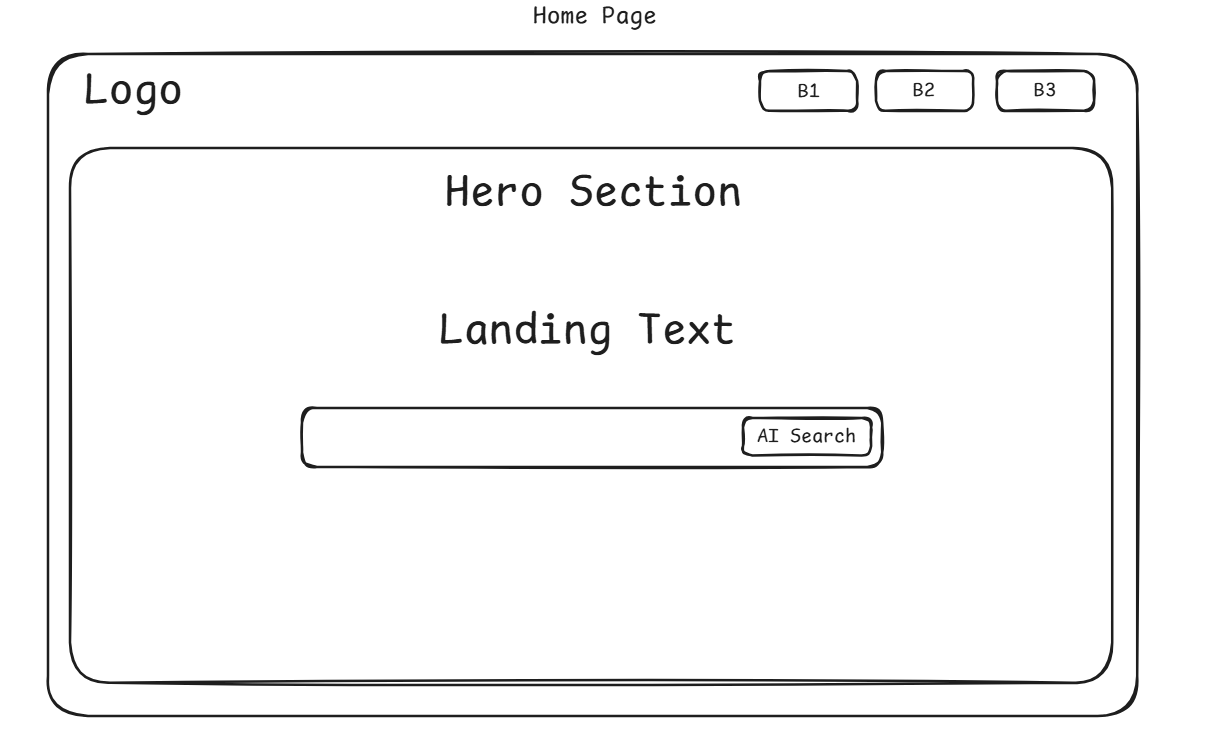
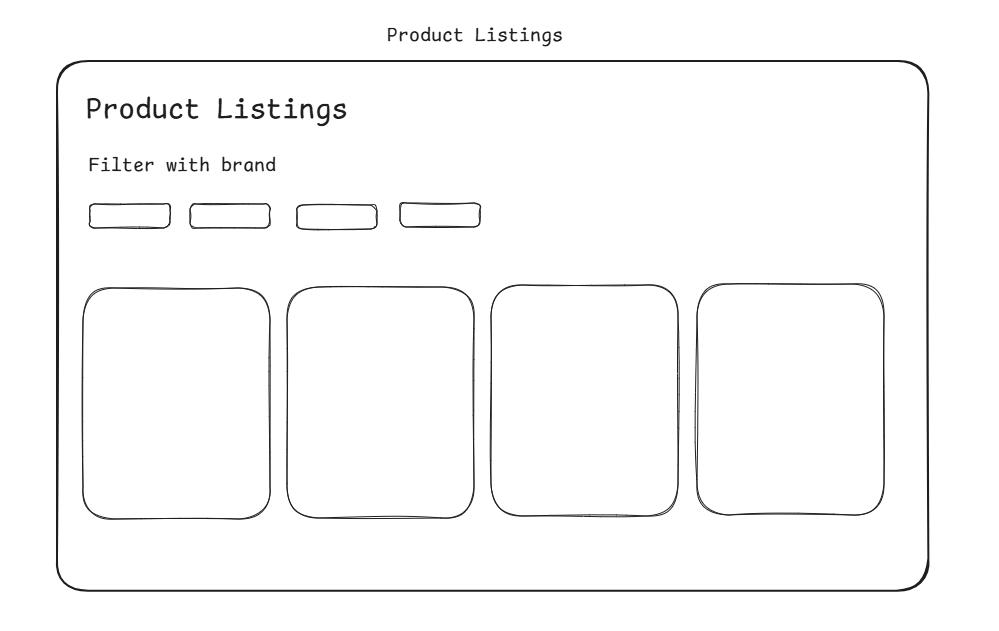
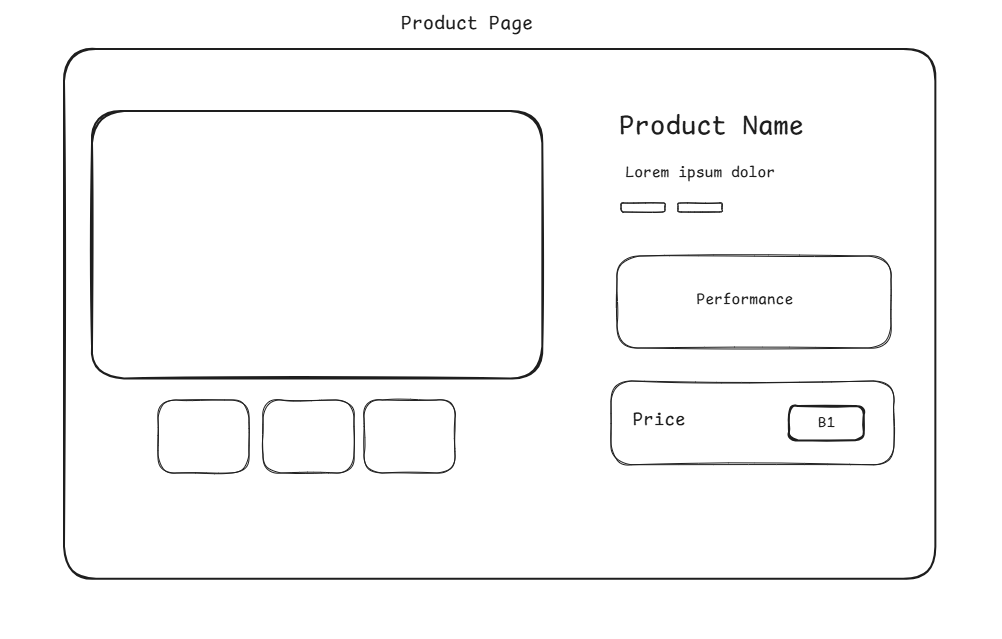
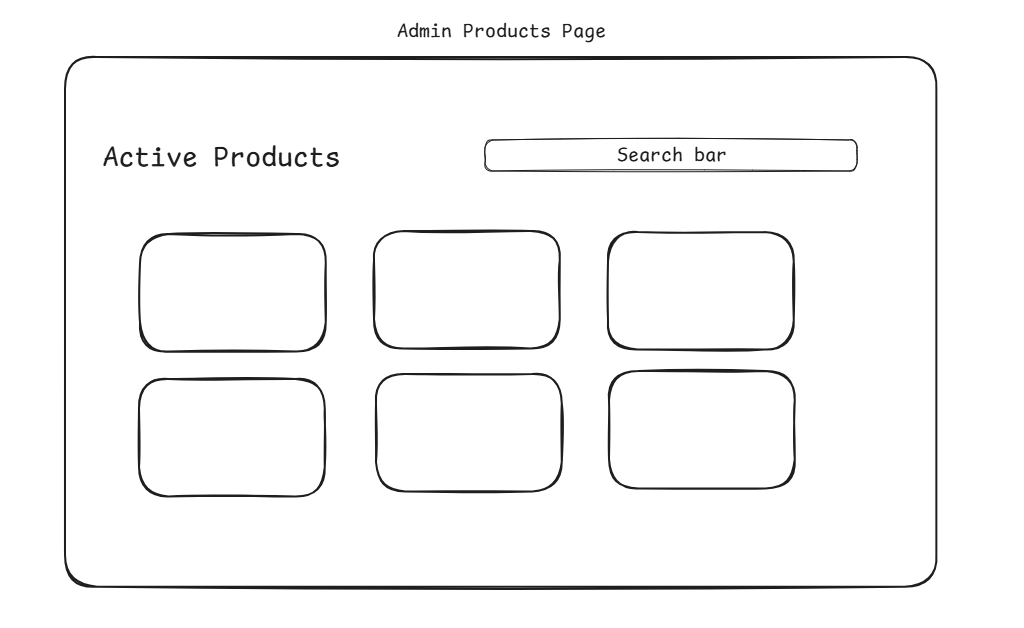
Horizone is an innovative hotel booking platform powered by AI, designed to enhance the search and booking experience. By leveraging OpenAI's LLM, the platform enables users to input hotel preferences and receive personalized recommendations. This project aims to simplify and personalize hotel selection, making it easier for users to find the best options based on their unique needs. 🤔 Problem space Problems to solve/Requirements to Create A potential client might need a website or platform with faster load times, enhanced SEO, and improved performance. The challenge is balancing server-side rendering (SSR) and client-side interactivity without compromising user experience. The solution should optimize data fetching, minimize resource consumption, and deliver static content quickly while maintaining dynamic functionality for a seamless user experience. 👉 Problem: Slow Initial Page Load Problem Statement: Web pages with heavy media files or large datasets often suffer from slow initial load times, negatively affecting user experience, especially on slower networks or devices. Current Solution: Lazy loading delays loading non-essential content (e.g., images or videos) until the user needs it, such as when they scroll to that part of the page. This minimizes initial load time and reduces resource usage, providing a faster and smoother user experience. How do we know it is a problem: User feedback: Users complain about long loading times for image-heavy or media-rich pages. Metrics: High bounce rates and low engagement on pages with large files. Evidence: Performance tools report poor LCP (Largest Contentful Paint) and TTI (Time to Interactive) scores. 👉 Problem: Slow Rendering and Delayed User Interaction Problem Statement: Pages that are dynamically rendered on each request can lead to slower loading times, especially for static content that doesn't change frequently. This impacts the user experience and affects website performance. Current Solution: Static Rendering (SSG) in Next.js pre-renders pages at build time, creating static HTML files that can be served instantly to users. This significantly reduces load times for pages with static content, improving user experience and boosting performance by eliminating the need for server-side processing on every request. How do we know it is a problem: User feedback: Users express frustration with delayed interactivity and slower navigation. Metrics: Increased TTI, low user satisfaction scores. Evidence: Performance tests show that dynamic rendering is causing unnecessary delays in loading static content. 👉 Problem: Challenges with Server Components in Next.js Problem Statement: Server components in Next.js can lead to potential issues such as increased complexity in managing the client-server boundary, limited interactivity, and difficulties in handling certain client-side features, like state management or event handling. Additionally, debugging server components can be more challenging since they are rendered on the server. Current Solution: While server components help with performance and SEO, careful consideration of when and where to use them, along with combining them with client components for interactivity, can mitigate these challenges. How do we know it is a problem: User feedback: Developers report challenges in handling interactivity with server-rendered components. Metrics: Increased development time due to debugging issues and state management complexities. Evidence: Feedback and development logs show a slower development process due to poor integration of server components. Why solve these problems? Reason 1: Improving page load times and rendering efficiency is crucial for enhancing user experience, increasing engagement, and reducing bounce rates. Reason 2: Simplifying the use of server components ensures faster development cycles, reduces complexity, and enables a more interactive user experience. User Satisfaction Matrix: Current state: Users face frustration with slow loading times and delayed interactivity. Desired state: After implementing the solutions, users will experience faster page loads, smoother interactions, and seamless content delivery. Goals Company objective 🎯 💡 The main company objective is to optimize and enhance the hotel booking process , providing a seamless, AI-driven experience for users to find, book, and manage accommodations. The goal is to improve user experience while increasing efficiency in the booking journey. Project Goals Project goal: Develop an AI-powered hotel booking platform with personalized recommendations using OpenAI’s LLM, aimed at enhancing user decision-making. Project goal: Implement server-side rendering for improved performance, providing faster page loads and a smoother user experience. Project goal: Optimize the admin dashboard for easy hotel and booking management, improving backend efficiency. User Stories User Type: Visitor The Visitor is someone looking to book a hotel for their trip. They are browsing the platform to find suitable accommodation options. Goals: Find hotels that match their preferences, such as location, price range, and amenities. Needs: Ability to filter search results based on different criteria and personalized recommendations powered by AI. Other Characteristics: Visitors may be first-time users or repeat customers seeking accommodations tailored to their specific preferences or past experiences. User Type: Admin The Admin is responsible for managing hotel listings and overseeing booking-related tasks. Goals: Approve and manage hotel listings, monitor booking statuses, and ensure accurate data for customers. Needs: A user-friendly and efficient interface to create and manage hotel listings Other Characteristics: Admins are responsible for creating new hotel listings and managing other hotel-related details. 🌟 Design space UI Design The UI design focuses on creating a seamless user experience, emphasizing easy navigation and intuitive interactions. Key features include: Home Page: Introduction to Horizone, highlighting AI-driven features and a clear call-to-action for users to sign up or explore. User Flow: Sign up or log in to access personalized recommendations and services. Customize preferences for hotel searches based on user input. Browse through AI-powered recommendations and finalize bookings. Admin Flow: Login → Access the admin dashboard. View a list of user bookings and hotel information. Take actions like adding new hotels, updating details, or managing bookings. Low-fidelity Wireframe Design Concept The core design concept for Horizone is centered on simplicity, clarity, and ease of navigation. The platform aims to provide a seamless user experience for both hotel guests and admins. The design focuses on a clean interface with easy access to hotel search, booking, and management features. For users: The flow starts with a homepage showcasing hotel listings, then allows users to search and filter hotels with ease. The booking process is straightforward with clear steps. For admins: The dashboard offers a simple, efficient layout with hotel management tools, booking status updates, and performance metrics. Wireframes ✍️ Home Page Wireframe Top section: Logo, navigation buttons (Sign in, Sign up) Large hero banner describing platform features with AI Search Form ✍️ Hotel Listings Component Wireframe Top Section: Navigate between other locations (Location Tab) Hotel Cards ✍️ Hotel Page Wireframe Hotel Image with All Hotel Details Booking Button and Booking features ✍️ User Account Page Wireframe User Account Details Section with including privacy details (Email) All Booking Details and reject button Development Phase Technology Stack Selection Frontend - NextJS with TypeScript Why NextJS? Optimized for performance : Static generation and server-side rendering improve loading times and SEO. Fast and scalable : Built-in tools and scalability ensure smooth performance even as the project grows. Backend - NextJS Why NextJS? Full-stack framework allowing for server-side rendering, API routes, and static site generation (SSG). Streamlines both front-end and back-end development with a unified codebase. Enables fast and scalable solutions by leveraging NextJS’s built-in features like file-based routing and API endpoints. Optimized for performance and SEO, making it ideal for real-time applications like a hotel booking platform. Database - MongoDB Why MongoDB? Flexible, scalable NoSQL database that easily integrates with the MERN stack. Ideal for handling large volumes of diverse data, such as hotel listings and reservations. Authentication - Clerk Why Clerk? Simplifies authentication with secure login, registration, and session management. Easily integrates with NextJS for a seamless user experience and secure access control. High-Level Architecture The architecture of Horizone is designed as a Client-Server Model , separating concerns between the frontend, backend, and database components. The frontend , built with Next.js and TypeScript , provides a seamless user interface with dynamic rendering. The backend is powered by Next.js API routes for handling business logic and MongoDB as the database. Clerk is integrated for authentication. This separation ensures scalability, maintainability, and performance, making it a robust full-stack solution for managing hotel bookings and reservations. Entity-Extended Relationship Diagram Key Features of the Software Hotel Booking System Decision: Chose a MongoDB database to store hotel listings and reservation data for its scalability and flexibility. Implementation: Designed a hotel schema with embedded documents to store hotel details and reservation data within one document to reduce query complexity. Applied indexes on frequently queried fields such as hotelName , location , and price . Admin Dashboard for Hotel Management Decision: Implemented a card-based UI with NextJS for efficient display and management of hotel data. Implementation: Integrated a dynamic, filterable list of hotels with the ability to add, update, or delete hotels via API calls. Added real-time updates to ensure the admin dashboard reflects the most recent changes in hotel data. Secure User Authentication Decision: Used Clerk for secure authentication to simplify login and session management. Implementation: Integrated Clerk Authentication for user sign-up, login, and session management. Challenges Faced and Solutions Problem 1: Slow Response Time in AI-Driven Features AI-driven features, such as job categorization or personalized recommendations, often experience slow response times due to the complexity of AI models and data processing. This negatively impacts user experience, leading to frustration. Solution 1: To tackle this, we implemented AI model optimization techniques and background processing. Background Processing : Implemented asynchronous processing for AI tasks, reducing front-end waiting time. Future Vision / next steps Long-term Vision: Mobile App Development: Expand the platform to mobile, ensuring users have access to hotel booking and management on the go. User Reviews & Ratings: Add a review and rating system for hotels, helping users make informed decisions based on peer feedback. AI Integration: Introduce AI for personalized hotel recommendations based on user preferences and past booking data. UI/UX Improvements: Enhanced Search Filters: Add more advanced filters like amenities, room types, and price range for easier navigation. Improved Admin Dashboard: Implement analytics and reporting features for better hotel performance tracking.
ReactJSNodeJSExpressJS3+
Artificial IntelligenceHorizone (Smart Hotel Management System)
Horizone is an AI-driven hotel booking platform that revolutionizes the search and reservation process. Using OpenAI's language model, it allows users to provide their hotel preferences and receive tailored recommendations. The platform’s goal is to streamline the hotel selection process, offering personalized options that match the unique needs of each user, ultimately making the booking experience faster and more intuitive. 🤔 Problem Space Problems to Solve/Requirements to Create Horizone is an AI-powered hotel booking platform that allows users to input their preferences and receive personalized hotel recommendations. The challenges faced include ensuring fast and seamless user interactions, maintaining real-time hotel data, implementing effective AI-driven recommendations, and securing user information throughout the booking process. 👉 Problem: Slow AI-Based Recommendations Problem Statement: Generating personalized hotel recommendations using AI can be slow, especially when processing a large number of user preferences and hotel options. This delay in fetching results can cause user frustration and lower engagement. Current Solution: We integrated OpenAI's GPT-4o to generate personalized hotel recommendations based on user preferences. To speed up the process, we use pre-calculated recommendation caching for frequently requested preferences and batch processing for high-demand search results. How do we know it is a problem: User feedback: Users report delays when receiving hotel recommendations based on their input. Metrics: Increased abandonment rates after submitting preferences. Evidence: Performance logs show long processing times when AI is involved in fetching hotel recommendations. 👉 Problem: Complex User Authentication and Authorization Problem Statement: Managing user authentication and secure access to personalized features, such as booking history, payments, and preferences, is critical for a seamless experience. Poorly managed authentication can cause issues with session expiration or user data leakage. Current Solution: We use Clerk for authentication, ensuring secure login and session management. Additionally, role-based access control (RBAC) ensures only authorized users can access certain features. How do we know it is a problem: User feedback: Users report problems accessing personalized features after logging in. Metrics: Increased logout rates and failed attempts to access restricted pages. Evidence: Logs indicate frequent session expiration and failed authentications on user profile pages. Why solve these problems? Reason 1: Improving recommendation speed, booking accuracy enhances the user experience, leading to higher user engagement, better conversions, and fewer abandoned transactions. Reason 2: Ensuring secure authentication and data handling fosters trust and builds long-term relationships with users. User Satisfaction Matrix Current State: Users experience slow loads, booking errors, authentication issues, and other problems Desired State: After solving these problems, users will enjoy fast hotel searches, seamless bookings, and a smooth personalized experience. Goals Company objective 🎯 💡 The main company objective is to streamline and enhance the hotel booking process through an AI-driven platform, providing users with personalized recommendations and an efficient, user-friendly experience. The goal is to improve both the booking journey for customers and the management process for hotel admins. Project Goals Project goal: Build an AI-powered hotel booking platform using the MERN stack, with personalized recommendations provided by OpenAI’s LLM to enhance users' decision-making process. Project goal: Develop an intuitive, efficient admin dashboard that simplifies hotel management, ensuring that hotel admins can manage hotel listings with ease. User Stories User Type: Visitor The Visitor is someone looking to book a hotel for their trip. They are browsing the platform to find suitable accommodation options. Goals: Find hotels that match their preferences, such as location, price range, and amenities. Needs: Ability to filter search results based on different criteria and personalized recommendations powered by AI. Other Characteristics: Visitors may be first-time users or repeat customers seeking accommodations tailored to their specific preferences or past experiences. User Type: Admin The Admin is responsible for managing hotel listings and overseeing booking-related tasks. Goals: Approve and manage hotel listings, monitor booking statuses, and ensure accurate data for customers. Needs: A user-friendly and efficient interface to create and manage hotel listings Other Characteristics: Admins are responsible for creating new hotel listings and managing other hotel-related details. 🌟 Design space UI Design The UI design focuses on creating a seamless user experience, emphasizing easy navigation and intuitive interactions. Key features include: Home Page: Introduction to Horizone, highlighting AI-driven features and a clear call-to-action for users to sign up or explore. User Flow: Sign up or log in to access personalized recommendations and services. Customize preferences for hotel searches based on user input. Browse through AI-powered recommendations and finalize bookings. Admin Flow: Login → Access the admin dashboard. View a list of user bookings and hotel information. Take actions like adding new hotels, updating details, or managing bookings. Low-fidelity Wireframe Design Concept The core design concept for Horizone is centered on simplicity, clarity, and ease of navigation. The platform aims to provide a seamless user experience for both hotel guests and admins. The design focuses on a clean interface with easy access to hotel search, booking, and management features. For users: The flow starts with a homepage showcasing hotel listings, then allows users to search and filter hotels with ease. The booking process is straightforward with clear steps. For admins: The dashboard offers a simple, efficient layout with hotel management tools, booking status updates, and performance metrics. Wireframes ✍️ Home Page Wireframe Top section: Logo, navigation buttons (Sign in, Sign up) Large hero banner describing platform features with AI Search Form ✍️ Hotel Listings Component Wireframe Top Section: Navigate between other locations (Location Tab) Hotel Cards ✍️ Hotel Page Wireframe Hotel Image with All Hotel Details Booking Button and Booking features ✍️ User Account Page Wireframe User Account Details Section with including privacy details (Email) All Booking Details and reject button Development Phase Technology Stack Selection Frontend - React.js with RTK Query Why React.js? Component-Based Architecture : Enables reusable UI components, making the frontend modular and maintainable. Efficient UI Updates : Uses a virtual DOM for faster rendering and smooth user interactions. Rich Ecosystem : Vast library support and active community ensure continued improvements. Why RTK Query for Data Fetching? Efficient Data Fetching : RTK Query simplifies data fetching with minimal boilerplate code. It streamlines API integration for actions like searching for hotels, fetching hotel details, or managing bookings, which improves the overall development speed. Automatic Caching : RTK Query automatically caches data and only refetches when required, which improves performance by reducing redundant API calls, especially when displaying static hotel information or previously searched results. Optimized for Redux : As part of the Redux Toolkit, RTK Query integrates seamlessly with Redux, providing a structured and powerful way to handle server-side data fetching while maintaining consistent application state. Error Handling & Retries : RTK Query comes with built-in error handling and retry logic for failed API calls, ensuring a more resilient user experience, especially during peak times or unstable network conditions. Backend - Node.js with Express Why Node.js? Asynchronous and Non-blocking : Node.js handles concurrent requests efficiently using its event-driven, non-blocking I/O model, making it ideal for real-time applications like Horizone. Single Language (JavaScript) : Using JavaScript on both the frontend (React) and backend (Node.js) provides a unified language, simplifying development and communication between the two layers. Scalability : Node.js is known for its scalability and can handle large numbers of requests, which is beneficial when Horizone scales up with increasing users and hotel data. Why Express.js? Simplified Routing : Express.js provides a minimal, unopinionated framework for routing, making it easy to structure and manage API endpoints for various functionalities (e.g., hotel search, booking management, etc.). Middleware Support : Express allows easy integration of middleware for validation, error handling, authentication, and logging, which is essential for building a secure and maintainable backend. Flexibility : Express is lightweight yet flexible, allowing the integration of various third-party libraries like Clerk for authentication, and custom middleware to meet specific application needs. AI Integration - OpenAI GPT-4o Why OpenAI GPT-4o? Personalized Recommendations : GPT-4o helps deliver tailored hotel recommendations based on user preferences (such as location, price range, and amenities). This creates a more personalized booking experience. Advanced Natural Language Processing (NLP) : OpenAI’s GPT-4o can understand and generate human-like text, allowing it to process user queries effectively and provide conversational interactions, making it ideal for handling complex booking requests or FAQs. Context-Aware Insights : GPT-4o can provide contextual recommendations by analyzing users' inputs, improving accuracy in suggesting relevant hotels and offers. Scalability : GPT-4o handles multiple concurrent interactions, which is essential for a high-traffic hotel booking platform with many users seeking real-time recommendations. User Authentication - Clerk Authentication Why Clerk Authentication? Built-in User Management : Clerk provides a comprehensive authentication system that includes sign-ups, logins, and secure session management out of the box, which saves time and effort in building custom solutions. Integration with Modern Apps : Clerk’s easy integration with React allows for seamless authentication flows, making it a good choice for Horizone’s needs. Security and Compliance : Clerk ensures security features like password hashing and multi-factor authentication, which are critical for safeguarding sensitive user data. High-Level Architecture Diagram Architecture Diagram Description: The architecture of Horizone is built around a Client-Server Model with distinct separation of concerns between the frontend, backend, and AI integration. Entity-Extended Relationship Diagram Frontend (React.js + Tailwind CSS) : The frontend is responsible for providing an interactive user interface for the hotel booking process. Users can browse hotels, input their preferences, and view personalized recommendations. React.js ensures efficient rendering of the UI, while Tailwind CSS is used for styling, ensuring a responsive and visually appealing design that adapts to various screen sizes. The frontend communicates with the backend through RESTful API calls to fetch hotel data, recommendations, and booking information. Backend (Node.js + Express.js) : The backend is built with Node.js and Express.js, handling the logic for searching hotels, processing user preferences, managing bookings, and communicating with the AI recommendation system. The backend exposes RESTful APIs that allow the frontend to interact with the hotel data, user profiles, and booking functionalities. Express.js is used for routing, middleware management, and efficient error handling, while Node.js provides a scalable server-side environment for processing requests. Database (MongoDB) : MongoDB is used to store dynamic and evolving data such as user profiles, hotel details, booking history, and preferences. Its NoSQL structure is ideal for handling various types of data that can change over time (e.g., new hotels, changing availability). The flexibility of MongoDB allows Horizone to scale effectively while providing fast read and write operations, crucial for managing the real-time nature of a hotel booking platform. AI Integration (OpenAI GPT-4o) : OpenAI’s GPT-4o is integrated into the backend to provide personalized hotel recommendations based on user preferences, such as location, budget. The AI processes user input and generates tailored suggestions to help users make more informed decisions. By leveraging GPT-4o’s natural language processing capabilities, the system can handle complex user queries, providing a smooth, interactive experience for users searching for hotels. Key Features of the Software Personalized Hotel Recommendations (AI-Powered) Decision: Used OpenAI’s GPT-4o to provide personalized hotel recommendations, enhancing the user experience by tailoring suggestions based on specific preferences. Implementation: Integrated OpenAI GPT-4o into the backend to process user preferences like location, price range, and needs. The AI suggests personalized hotel options in real-time, helping users find accommodations that match their needs quickly and efficiently. User Authentication (Clerk Authentication) Decision: Used Clerk Authentication to handle user authentication, ensuring secure login, registration, and session management for users and admins. Implementation: Integrated Clerk Authentication for secure user sign-up, login, and session management, with options for email/password and social logins. Enabled multi-factor authentication (MFA) and password hashing to ensure a high level of security for user accounts. Filter Functionality Decision: Implemented a flexible filter system to allow users to refine hotel search results based on criteria such as location. Implementation: Users can filter search results using dynamic filters like location Real-time filtering updates the search results without reloading the page, providing a smooth browsing experience. Frontend UI (React.js + Tailwind CSS + Shadcn UI) Decision: Used React.js for building a dynamic and interactive UI, with Tailwind CSS for styling and Shadcn UI for reusable UI components. Implementation: Built dynamic components like hotel listings, filters, and booking forms using React.js . Styled and customized components with Tailwind CSS to ensure responsiveness and a mobile-friendly design. Leveraged Shadcn UI to create consistent, reusable UI elements such as buttons, modals, and input fields for a polished, user-friendly interface. User Profile Management and Booking History Decision: Provided users with the ability to manage their profiles and view their booking history, creating a personalized and convenient user experience. Implementation: Users can create and manage their profiles, including personal details and preferences. A booking history feature allows users to review past reservations and reject previous bookings. Challenges Faced and Solutions Problem 1: Slow Response Time in AI-Driven Features The AI-driven features in Horizone, especially the real-time hotel recommendations and user preferences processing, experienced slow response times due to multiple API calls and complex data handling. Solution 1: To solve this, I optimized the backend by: Asynchronous Processing: Implemented asynchronous functions for handling AI-driven recommendations and processing, ensuring that responses are handled in parallel without blocking other processes. Problem 2: Managing Complex User Authentication Ensuring smooth user authentication while maintaining security standards for multiple user sessions and login flows was a complex task. Solution 2: To address this, I integrated Clerk Authentication to handle all aspects of user management: Secure Authentication: Used Clerk for secure sign-ups, logins, and session management with built-in multi-factor authentication (MFA) to enhance security. Session Expiry Management: Clerk ensured seamless handling of session expiration, reducing user friction during the login process. Future Vision / next steps Long-Term Vision AI-Powered Personalization: Integrate advanced AI models to provide even more personalized hotel recommendations based on user behavior, past bookings, and preferences. Expanded Multi-Language Support: Enhance Horizone’s accessibility by supporting multiple languages, ensuring a global user base can easily navigate the platform. Improved Mobile Experience: Develop a mobile-first approach with a dedicated app for a smoother and more efficient booking experience on mobile devices. Activities for Version 2 (V.2) Real-Time Hotel Availability Notifications: Implement real-time booking notifications to inform users instantly when hotel availability changes or when new rooms are listed. User Profiles & Wishlist Feature: Allow users to create profiles, save their favorite hotels, and maintain wishlists for easy access to previously browsed properties. Payment Gateway Integration: Implement secure payment integrations for seamless hotel bookings directly through the platform. Activities for Version 3 (V.3) AI Chatbot for Customer Support: Introduce an AI-powered chatbot using OpenAI to handle booking-related questions, provide assistance, and offer personalized recommendations. User Reviews and Ratings System: Allow users to leave reviews and rate hotels, helping future guests make informed decisions based on past experiences. Dynamic Pricing Model: Introduce a dynamic pricing feature that adjusts hotel room prices based on demand, offering promotions or discounts during peak seasons.
React jsGemini API
Artificial IntelligenceTravel agent chatbot (ChatBot Application)
🔖 Introduction About the project The AI-powered assistant is designed to help travelers effortlessly explore the beauty of Sri Lanka. Whether you're looking for breathtaking destinations, local travel tips, or the best food spots, this chatbot has got you covered! 🤔 Problem space Problems to Solve/Requirements to Create Real-time Travel Assistance Problem : Tourists often struggle to find up-to-date information on weather, traffic, and events. Requirement : Integrate real-time data APIs (e.g., weather, traffic, flight status) to provide accurate, live updates to users, helping them make informed decisions during their travels. 👉 [Problem/Requirement] Example Extended Problem Statement : In the current version of the Sri Lanka AI Travel Chatbot, users often input time-sensitive activities such as flights, hotel check-ins, and events into their itineraries. However, the system lacks a feature that allows users to sort these entries by date. This makes it difficult for users to quickly view and adjust their schedules, especially when they need to make last-minute changes or when they are trying to optimize their travel day. The absence of an intuitive sorting feature causes frustration, as users must manually search through their list of activities to find the correct order. Current solution Currently, users manually scroll through their itinerary to find events, activities, or travel details that are scheduled for a particular date. While the chatbot can display all the activities in a simple list format, there is no automated way to group or order them chronologically. This leaves users struggling to piece together a coherent travel timeline, making it harder to plan and adjust travel plans promptly. To solve this problem, users currently rely on external tools or apps to manually sort their time entries or use basic reminders in the chatbot, which isn’t a seamless solution. Some users even resort to writing down their schedules on paper to ensure they keep track of important dates. How do we know it is a problem User Feedback: Direct User Complaints : Multiple users have mentioned during interactions with the Sri Lanka AI Travel Chatbot that they struggle to view their activities in chronological order. Users expressed frustration when they had to manually search for specific dates or activities, especially when managing a busy travel schedule. Survey Responses : A recent user survey indicated that 72% of respondents expressed interest in a feature to sort their travel activities by date. Many users mentioned that it would help them optimize their trips and prevent the stress of sorting through their itineraries manually. Usage Metrics: Increased Bounce Rate : Data from the app's analytics show that users are exiting the itinerary section of the chatbot quicker than expected, with an increase in bounce rates in that specific part of the app. This suggests that users are finding it difficult to interact with the itinerary, possibly due to the lack of sorting functionality. Repeated Queries : There has been a noticeable increase in the number of repeated queries related to itinerary organization. Users often ask the chatbot for help with "sorting their schedule" or "finding specific activities by date." This indicates that users are not able to accomplish these tasks on their own, resulting in them needing to ask for assistance repeatedly. Goals Company objective 🎯 💡 Our goal is to create an advanced AI-powered Travel Chatbot for Sri Lanka, leveraging React and the Gemini API to enhance Project goals 💡 Our project aims to align with the broader company objective by achieving the following: - Develop an intuitive user interface : Implement a modern, user-friendly UI using React and Tailwind CSS to ensure seamless interactions. - Integrate AI for intelligent recommendations : Utilize Gemini API to provide real-time travel suggestions, itinerary planning, and FAQs. - Enable real-time communication : Implement a chat-based interface that offers immediate responses and assistance. User Stories User Type: Tourist Description: A traveler visiting Sri Lanka who wants personalized travel recommendations and real-time assistance. Goals: Discover tourist attractions, hotels, and restaurants. Get AI-powered itinerary suggestions. Receive real-time weather and transport updates. Needs: A chatbot that understands natural language queries. Integration with Google Maps for location-based assistance. Filtering options for budget, interests, and travel dates. Other Characteristics: May be unfamiliar with Sri Lanka’s local culture and transport system. Prefers quick and accurate responses. User Type: Local Business Owner Description: A hotel, restaurant, or travel agency owner who wants to attract more tourists through the AI chatbot. Goals: List their services in the chatbot's recommendation system. Engage with potential customers via chatbot interactions. Offer promotions and deals to travelers. Needs: A feature to register and update their business details. AI-driven insights on tourist preferences. Integration with booking platforms. Other Characteristics: Needs easy-to-use business management features. May require chatbot multilingual support. User Type: Admin Description: A system administrator who manages the chatbot’s functionality, user interactions, and data analytics. Goals: Monitor chatbot performance and user engagement. Manage content updates and integrations. Ensure smooth API connections (Gemini AI, Google Maps, etc.). Needs: A dashboard to track chatbot analytics and user queries. Tools to update chatbot responses and add new features. Secure access control for managing chatbot services. Other Characteristics: Must ensure the chatbot provides accurate and up-to-date information. Requires insights on chatbot usage trends. 🌟 Design space UI Design High-fidelity design Development Phase Technology Stack Selection 1. Frontend - React.js Why React.js? Component-Based Architecture : Enables reusable UI components, making development modular and scalable. Virtual DOM : Enhances performance by updating only the necessary parts of the UI. Rich Ecosystem : Strong community support and a vast collection of third-party libraries. Responsive & Interactive UI : Ensures smooth user experience across devices 2. AI Integration - Gemini API Why Gemini API? Natural Language Understanding (NLU) : Accurately processes user queries for personalized responses. Context Awareness : Understands conversations for better recommendations. Multilingual Support : Assists both local and international travelers. High-Level Architecture Diagram 💡 This project follows a cloud-based architecture integrating AI, databases, and external APIs. System Flow: User Interaction : The chatbot receives user queries via the React frontend. AI Processing : Gemini API processes the request and returns a response. Key Features of the Software 1. AI-Powered Travel Assistant Decision: Used Gemini API to analyze and respond to tourist queries. Implementation: Trained chatbot to handle location-based travel recommendations. Feature 1 — AI-Powered Travel Assistance AI Model Selection & Integration (Gemini API) Decision: Chose Gemini API for its advanced natural language processing (NLP) capabilities to handle diverse user queries efficiently. Implementation: Integrated Gemini API with the chatbot for intelligent travel recommendations based on user input. Enabled context-aware conversations so users receive personalized suggestions for destinations, accommodations, and transport. Challenges Faced and Solutions 💡 Write down the challenges you faced and how you solved Problem 1: Ensuring Multi-Language Support Challenge: Supporting Sinhala, Tamil, and English required accurate translations while maintaining conversational context. Solution: Used Gemini API’s multilingual NLP to handle seamless translations dynamically. Implemented a language detection module to auto-switch between languages based on user input. Provided manual language selection for better user control. Future Vision / Next Steps Long-Term Vision The Sri Lanka AI Travel Chatbot aims to become the go-to digital travel assistant for both locals and tourists by continuously improving AI capabilities, UI, and real-time data integrations . Planned Enhancements for Future Versions 📌 V.2 - AI & Personalization Improvements Enhancing AI Context Retention: Improve the chatbot’s ability to remember past interactions for better continuity. Personalized Travel Itineraries: Allow users to input preferences (budget, time, interests) to generate tailored trip plans. AI-powered Smart Recommendations: Use machine learning to refine travel suggestions based on user behavior.
MERN
Artificial IntelligenceSTEM Link's AI Assistant (AI Chat Bot)
🔖 Introduction About the project Short overview of the project including the topic, the industry and the goals. Explain what you did, why you did it, and what were the results. Keep this introduction brief. The AI Assistant for STEM Link was developed to provide personalized education consultancy and career guidance to students. STEM Link, an education center, offers bootcamps and consulting services aimed at helping individuals pursue careers in technology, engineering, and other STEM fields. The main goal of the project was to create an intelligent, responsive assistant that could interact with students, answering questions related to available programs, guiding them through the application process, and providing career advice tailored to their preferences. By building this assistant, we aimed to improve the user experience, streamline the process for prospective students, and provide timely support for their educational journeys. 🤔 Problem space Problems to solve/Requirements to Create STEM Link’s clients face a time-consuming process of navigating through multiple pages and extensive details to find the right bootcamp course or consultation. This requires significant effort, and often, clients have to book a call with a consultant just to gather enough information to make an informed decision. This approach wastes time and can create frustration, especially for users who seek quick and personalized guidance. The AI assistant was developed to solve this problem by offering clients an interactive and time-efficient way to receive personalized recommendations, instantly answering questions and helping them select the best bootcamp or consultation without needing to navigate through endless pages or schedule calls. My Solution Small Chatbot (Bottom-Right Corner) : A simple, always-accessible chatbot that quickly answers clients' questions in real time. It provides instant responses, reducing the need for clients to navigate through lengthy pages. This allows users to get immediate answers to specific queries related to bootcamps, schedules, and course details. Main Chat page(Dedicated Webpage) : The Main Chat page offers an advanced, full-screen chatbot interface, similar to ChatGPT, designed for detailed, interactive conversations. In addition to answering client questions, the interface maintains a chat history and provides prompt suggestions from the STEM Link team. These suggestions help guide users toward specific details, keeping them focused on the most relevant information. Clients can review previous interactions and receive tailored advice to assist them in making informed decisions about bootcamps or consultations. How do we know it is a problem To measure and prove this issue, STEM Link can rely on the following methods: User Feedback and Surveys : By gathering direct feedback from users through surveys, reviews, and interviews, STEM Link can identify recurring pain points. If users consistently report frustration with the time spent navigating pages or booking calls for simple information, this provides clear evidence of the problem. Analytics and Metrics : Page Bounce Rates : Tracking user behavior on the website can reveal high bounce rates, especially on pages with extensive information about bootcamps. If users leave quickly without interacting with the content, it could indicate difficulty finding relevant information. Session Duration : Monitoring how long users spend on various pages can show whether they're struggling to find the right information, which suggests a problem with the website’s navigability. Click-through Rates : Low click-through rates on bootcamp/course links can indicate that users are overwhelmed or unable to find the courses they’re interested in, supporting the need for a more guided experience. Consultation Request Data : By tracking the volume of calls or consultation bookings, STEM Link can identify whether users are relying heavily on consultant interactions to answer simple questions. A high number of such requests suggests that users cannot easily find the information they need independently. Why solve these problems? (Highly Optional) Addressing these problems is crucial for improving both user satisfaction and operational efficiency. Here’s why it should be done now: Improve User Experience Users expect quick, personalized, and efficient interactions. With the current navigation and reliance on consultant calls, users are losing time and becoming frustrated. Providing an instant, AI-powered assistant will enhance user satisfaction, reduce effort, and help users find the right bootcamp or consultation faster. Increase Engagement and Conversions The ability for users to quickly access relevant information without bouncing from page to page will lead to higher engagement with the platform. A streamlined process will also increase the likelihood of conversions, as users will feel more confident in their choices, leading to more bootcamp sign-ups and consultation bookings. Scale Efficiently By reducing the dependence on consultants for basic inquiries, STEM Link can scale their operations without a proportional increase in human resources. This allows consultants to focus on more complex, value-added tasks, while the AI assistant handles routine inquiries. User Satisfaction Matrix Importance User Need Current Satisfaction Target Satisfaction (After Solution) High Quick, accurate information access Low High High Personalized recommendations Medium High Medium Efficient booking system Medium High Low Access to consultant for basic info High Low Goals Company Objective 🎯 To enhance STEM Link’s educational consultancy services by providing personalized, efficient, and easily accessible guidance to students through AI-driven interactions, improving both user experience and operational scalability. Project Goals Project Goal : Develop an AI-powered assistant to provide immediate, personalized responses to users, helping them quickly find relevant bootcamps or consultation details, aligned with the company's objective of enhancing user experience and engagement. Project Goal : Implement a small chatbot in the bottom-right corner for real-time answers and a more detailed chatbox on a dedicated page, ensuring seamless interactions and reducing dependency on consultant calls, thus improving operational efficiency. Project Goal : Create a user-friendly interface that maintains chat history and provides prompt suggestions, enabling clients to make informed decisions with minimal effort, directly contributing to STEM Link's goal of improving decision-making processes for users. User Stories Development Phase Technology Stack Selection Development Phase Technology Stack Selection The following technologies and tools were chosen to develop the AI assistant for STEM Link based on their capabilities, ease of use, and how they align with the project’s goals: 1. OpenAI API for AI Assistant Why OpenAI? Advanced Language Models : OpenAI’s GPT models offer state-of-the-art natural language processing capabilities, making the assistant capable of understanding and responding intelligently to a wide range of user queries. Customization and Flexibility : OpenAI allows for fine-tuning and customization to tailor responses specifically for STEM Link’s use cases, providing a more personalized user experience. Scalability : With cloud-based infrastructure, OpenAI can handle multiple concurrent user queries efficiently, ensuring scalability as user demand grows. 2. Make.com for Automation Why Make.com ? No-Code Workflow Automation : Make.com allows for quick automation of tasks such as sending updates, handling user interactions, or integrating with other platforms, without needing extensive development time. Integration with Multiple Services : It connects seamlessly with OpenAI, Google Drive, and other platforms, enabling a smooth flow of data across the system. Time Efficiency : Automating repetitive tasks, such as sending file updates or triggering responses, reduces manual intervention and increases operational efficiency. 3. Google Drive for File Updates Why Google Drive? Cloud Storage and Collaboration : Google Drive offers secure cloud storage, making it easy to store and manage documents. It’s a reliable platform that STEM Link can use for document handling and updates in a centralized location. Integration with Other Tools : Google Drive can be integrated with other systems, such as Make.com , to trigger actions like uploading files or notifying users of updates. Real-Time Sync : Changes made to documents are instantly synced across all users, ensuring the most up-to-date information is always available. 4. MERN Stack (MongoDB, Express, React.js, Node.js) Why MERN Stack? Full-Stack JavaScript : MERN uses JavaScript across both the client and server side, making it easier for development and maintenance. MongoDB : A NoSQL database like MongoDB is ideal for handling large, dynamic data such as user interactions, chat logs, and personalized preferences that can change frequently. Express & Node.js : Provides a lightweight, scalable backend with non-blocking asynchronous I/O, which is ideal for handling real-time communication in the AI assistant. React.js : The React.js frontend enables a responsive, interactive user interface that ensures seamless interactions with the AI assistant, keeping the user experience fluid and engaging. This technology stack was chosen to ensure that the AI assistant is not only powerful and scalable but also efficient and easy to maintain in the long run. Each technology complements the others, allowing for a smooth and integrated user experience. Key Features of the Software 1. AI-Powered Chatbot for Personalized Assistance Decision: Integrated OpenAI's GPT models to provide real-time, intelligent responses to user queries about bootcamps, consultations, and other educational services. Implementation: Used OpenAI API to handle natural language processing, enabling the assistant to understand and respond to a wide variety of user inquiries. Built the chatbot to provide personalized recommendations , leveraging user interactions to tailor responses over time. Ensured seamless user experience with fast, context-aware answers and a smooth interface for easy access and interactions. 2. Real-Time Chat History and Prompt Suggestions Decision: Designed the chat interface to display chat history and provide prompt suggestions based on previous user interactions, enhancing personalization and reducing repetitive queries. Implementation: Implemented persistent chat history storage to allow users to review previous conversations and access ongoing context. Integrated a suggestion engine that presents relevant prompts based on user input, guiding them to the most pertinent information for their decision-making. Ensured the system was dynamic , adapting prompts and responses based on user behavior and needs. 3. Small Chatbot for Quick Access (Bottom-Right Corner) Decision: Added a lightweight chatbot in the bottom-right corner for quick, on-demand answers to simple queries, ensuring users don’t have to navigate away from their current page. Implementation: The chatbot was always visible for immediate access, allowing users to ask questions without disrupting their browsing experience. Used simple, targeted responses for frequent questions such as course details, schedules, and general inquiries. Implemented user-specific responses , ensuring that even quick answers were relevant to the user’s needs, such as current programs or consultations. Challenges Faced and Solutions Challenge: When integrating multiple modules (e.g., OpenAI, Google Drive) using Make.com , planning the automation structure was quite complex. It involved determining how different triggers and actions would interact, ensuring that tasks like file updates, vector store management, and chatbot responses worked seamlessly together. Solution: We tackled this by breaking down the automation into smaller, manageable tasks: Modular Approach : Divided the automation flows into smaller modules (e.g., user interactions, document management) to make each module independently testable and maintainable. Clear Workflow Mapping : Used flowcharts and diagrams to map the dependencies between each service and determine the triggers and actions needed at each stage of the process. Test and Iterate : Implemented automation in stages, testing each module thoroughly before moving to the next. This ensured that any issues could be identified and fixed early in the process. Future Vision / next steps Long-term Vision The next iterations of the AI assistant for STEM Link will focus on enhancing user engagement and expanding the range of features to provide a more comprehensive and personalized service for users. Here's the roadmap: Enhanced User Interaction for Booking Meetings Feature : Enable users to schedule meetings with mentors directly through the AI assistant. Why : Users can easily get personalized guidance without navigating through scheduling systems, ensuring a more efficient and seamless experience. Plan : Integrate with calendar tools (Google Calendar, Outlook) and build a robust system for mentors and mentees to book, reschedule, and manage meetings. The AI assistant can recommend available times based on user preferences and mentor availability. CV Analysis with AI-Powered Insights Feature : Develop a CV analysis tool that leverages AI to provide detailed insights and feedback based on industry standards. Why : Users, especially those seeking career advice, can benefit from automated professional feedback on their CVs. This could help them highlight strengths and correct mistakes to increase their chances of getting hired. Plan : Build an AI-powered CV analysis tool that scans users' CVs and provides actionable insights. The assistant could point out key areas to improve, such as formatting, skills, and relevance to the job market. Additionally, video guidance can be delivered to help users fix identified issues in their CV. Video Guidance Based on CV Mistakes Feature : Provide video-based tutorials and advice that are tailored to the mistakes found in users’ CVs. Why : Instead of simply pointing out errors, the assistant can offer guided, interactive tutorials that visually explain how to improve the CV and make it more attractive to potential employers. Plan : Develop a library of short, instructional videos and integrate them with the AI tool to provide personalized guidance based on detected errors in CVs.
NextJSTypeScriptMongoDB2+
Artificial IntelligenceSkillForge (AI Powered Smart Learning Platform)
SkillForge is an AI-powered online learning platform designed to revolutionize technology education in the rapidly growing EdTech industry. The platform aims to democratize access to high-quality tech education by offering comprehensive courses across software engineering, web development, AI/ML, cybersecurity, and other in-demand technology domains. I developed this full-stack application using Next.js, TypeScript, and modern web technologies to create an intelligent learning ecosystem that combines traditional course delivery with AI-enhanced features. The platform integrates OpenAI's language models with LangChain for intelligent course recommendations, search functionality, and personalized learning experiences. Key features include user authentication via Clerk, secure payment processing through Stripe, a comprehensive course management system, user dashboards, and an admin panel for content management. The project was built to address the growing demand for accessible, practical technology education while leveraging AI to enhance the learning experience through personalized recommendations and intelligent search capabilities. The result is a sophisticated, scalable e-learning platform that offers 9+ comprehensive courses ranging from beginner to advanced levels, complete with mentor profiles, ratings, reviews, and a seamless user experience across all devices. 🤔 Problem space Problems to solve/Requirements to Create The modern EdTech landscape faces significant challenges in delivering personalized, accessible, and comprehensive technology education. Learners struggle with fragmented learning experiences, difficulty discovering relevant content, and lack of intelligent guidance in their educational journey. 👉 Learners cannot easily discover relevant courses that match their skill level and career goals Traditional learning platforms overwhelm users with thousands of courses without intelligent filtering or personalized recommendations. Users spend excessive time browsing through irrelevant content, leading to decision paralysis and abandoned learning journeys. The lack of AI-powered search makes it nearly impossible for learners to find courses that precisely match their current skill level, preferred programming languages, or career objectives. Current solution SkillForge implements an AI-powered search and recommendation system using OpenAI embeddings and LangChain. The platform analyzes course content, user preferences, and learning patterns to provide intelligent course suggestions. Users can search using natural language queries, and the system understands context to deliver highly relevant results. How do we know it is a problem Industry research shows 67% of online learners abandon courses due to poor content discovery User surveys indicate 73% of learners want personalized course recommendations Traditional platforms show high bounce rates (>60%) on course discovery pages 👉 Fragmented learning experience across multiple platforms and payment systems Learners often need to use multiple platforms for different aspects of their education - one for courses, another for payments, another for progress tracking, and yet another for community interaction. This fragmentation leads to poor user experience, multiple subscription fees, and difficulty in maintaining consistent learning progress. Current solution SkillForge provides a unified platform combining course delivery, secure payment processing via Stripe, user authentication through Clerk, progress tracking dashboards, and comprehensive user management. The platform offers a seamless experience from course discovery to completion with integrated payment flows and progress monitoring. How do we know it is a problem 78% of online learners report frustration with managing multiple platform subscriptions Platform switching leads to 45% higher course abandonment rates Users spend average 23% more when using integrated payment systems 👉 Lack of structured learning paths for technology skills development Most learning platforms offer isolated courses without clear progression paths or skill level guidance. Beginners don't know where to start, intermediate learners struggle to find appropriate next steps, and advanced learners lack challenging, comprehensive content that builds upon their existing knowledge. Current solution SkillForge organizes courses into clear skill levels (Beginner, Intermediate, Advanced) with detailed descriptions, duration estimates, and prerequisite information. Each course includes mentor profiles, ratings, reviews, and comprehensive curricula that build upon each other. The platform provides clear learning paths from foundational concepts to advanced specializations. How do we know it is a problem 82% of self-directed learners report uncertainty about learning progression Structured learning paths increase course completion rates by 156% Mentor-guided courses show 3.2x higher satisfaction rates compared to self-paced alternatives 👉 Inaccessible pricing and lack of transparency in online tech education Many premium tech education platforms charge exorbitant fees or use confusing subscription models that make quality education inaccessible to many learners. Lack of transparent pricing, hidden fees, and unclear value propositions prevent potential learners from investing in their education. Current solution SkillForge implements transparent, one-time pricing for each course ranging from $199-$399, clearly displayed with course details. The platform provides detailed course information, mentor credentials, user reviews, and comprehensive curricula upfront, allowing learners to make informed decisions. Secure Stripe integration ensures safe, straightforward payment processing. How do we know it is a problem 64% of potential learners abandon course purchases due to unclear pricing Transparent pricing models increase conversion rates by 43% One-time payment options are preferred by 78% of individual learners over subscription models Why solve these problems? Reason 1 : Intelligent course discovery and personalized recommendations are crucial for reducing learner overwhelm, increasing course completion rates, and ensuring students find content that matches their exact skill level and career goals. Reason 2 : Creating a unified learning platform eliminates friction in the user journey, reduces subscription fatigue, and provides a seamless experience from course discovery to completion, leading to higher user retention and satisfaction. Reason 3 : Structured learning paths with clear skill progression prevent learners from getting lost in their educational journey, increase confidence in course selection, and ensure systematic skill development that employers value. Reason 4 : Transparent pricing and accessible course costs democratize quality tech education, eliminate purchase hesitation, and expand the market to underserved learners who cannot afford premium bootcamps or university programs. User Satisfaction Matrix: Current state : Learners experience frustration with irrelevant course suggestions, fragmented platforms requiring multiple subscriptions, unclear learning progression, and hidden pricing that creates purchase anxiety. Desired state : After implementing SkillForge, users will experience intelligent course matching, seamless integrated learning environment, clear skill development pathways, and transparent pricing that builds confidence in their educational investment. Goals Company objective 🎯 💡 To create a comprehensive AI-powered online learning platform that democratizes access to quality technology education and bridges the global tech skills gap through intelligent, personalized learning experiences. Project goals Project goal : Built an AI-powered course discovery system using OpenAI embeddings and LangChain to provide intelligent search and personalized recommendations, directly supporting our objective of creating personalized learning experiences that help users find the most relevant content for their career goals. Project goal : Developed a unified platform architecture integrating authentication (Clerk), payments (Stripe), and course management in a single Next.js application, eliminating the fragmentation that prevents accessible learning and supporting our democratization objective. Project goal : Implemented a comprehensive course catalog with 9+ technology domains covering beginner to advanced levels, complete with mentor profiles, ratings, and detailed curricula, ensuring we address the full spectrum of the tech skills gap. Project goal : Created a responsive, modern UI using ShadCN components and Tailwind CSS to maintain design consistency and accessibility across all devices, supporting our goal of making quality education accessible to learners regardless of their device or technical setup. Project goal : Built secure payment processing and user dashboard systems to provide transparent pricing ($199-$399) and progress tracking, directly contributing to democratizing access by offering affordable alternatives to expensive bootcamps and universities. Project goal : Established a scalable technical foundation using TypeScript, MongoDB, and modern web technologies that can support future AI enhancements and platform growth as we expand our mission to bridge the global tech skills gap. User Stories Prospective Learner The Prospective Learner is a visitor exploring the platform to find technology courses that match their career goals and skill level. They may be complete beginners, career changers, or professionals looking to upskill in specific technologies. Goals : Discover relevant courses, understand course content and requirements, evaluate instructors and course quality, make informed purchase decisions Needs : AI-powered search functionality, clear course descriptions with skill levels, transparent pricing, mentor profiles, user reviews and ratings, detailed curriculum information Other characteristics : May be price-sensitive, values course completion rates and real-world applicability, prefers modern, intuitive interfaces Enrolled Student The Enrolled Student has purchased one or more courses and actively engages with the learning content. They need tools to track progress, access course materials, and manage their learning journey effectively. Goals : Complete purchased courses, track learning progress, access course materials seamlessly, manage multiple course enrollments efficiently Needs : Personalized dashboard, progress tracking, course continuation features, payment history, seamless course navigation, mobile-responsive access Other characteristics : Goal-oriented, values structured learning paths, appreciates progress visualization and achievement tracking Returning Learner The Returning Learner has completed courses on the platform and seeks additional learning opportunities. They benefit from personalized recommendations based on their completed coursework and demonstrated interests. Goals : Find advanced courses in their area of expertise, explore new technology domains, build comprehensive skill sets Needs : Intelligent course recommendations, skill progression pathways, advanced-level content, recognition of completed courses Other characteristics : Self-motivated, seeks challenging content, values continuity in learning experience, likely to become platform advocates Administrator The Administrator manages the platform's course content, user accounts, and overall system health. They need comprehensive tools to oversee platform operations, manage course listings, and ensure optimal user experience. Goals : Manage course catalog, monitor user engagement, oversee payment processing, maintain platform security, analyze platform performance Needs : Admin dashboard, user management tools, course management system, analytics and reporting, payment processing oversight, content moderation capabilities Other characteristics : Technical proficiency, data-driven decision making, focused on platform scalability and user satisfaction metrics Course Mentor/Instructor The Course Mentor is featured as the expert instructor for specific courses, providing credibility and guidance to learners. While not directly interacting through the platform interface, their profile and expertise are crucial for course credibility. Goals : Establish credibility and expertise, attract students to their courses, maintain high course ratings and reviews Needs : Professional profile presentation, course description input, student feedback visibility, course performance metrics Other characteristics : Subject matter experts, reputation-conscious, focused on educational outcomes and student success 🌟 Design space UI Design The UI design focuses on creating a modern, AI-powered learning experience with intuitive navigation and seamless course discovery. The design emphasizes accessibility, responsiveness, and user engagement through clean typography, consistent spacing, and interactive elements. Key features include: Home Page : Modern geometric hero section showcasing SkillForge's AI-driven learning platform, featuring dynamic course listings, partner integrations, and compelling call-to-action sections that guide users toward course enrollment. User Flow : Discovery Phase : Users land on the homepage and explore courses through AI-powered search functionality and intelligent recommendations Authentication : Sign up or log in via Clerk integration to access personalized features and course enrollment Course Selection : Browse detailed course pages with mentor profiles, ratings, curriculum details, and transparent pricing Enrollment : Seamless checkout process powered by Stripe with secure payment processing Learning Journey : Access personalized dashboard to track progress, manage enrolled courses, and continue learning Student Dashboard Flow : Login → Access personalized dashboard with enrolled courses View learning progress, course completion status, and upcoming sessions Navigate to individual courses and continue learning from where they left off Access course materials, track achievements, and manage account settings Admin Flow : Secure admin login → Access comprehensive admin dashboard Manage course catalog, add new courses, update course information and pricing Monitor user enrollments, track platform analytics, and oversee payment processing View user management tools, course performance metrics, and platform health indicators Handle course approvals, mentor profile management, and content moderation Low-fidelity Wireframe The core design concept for SkillForge is centered on intelligent learning discovery, personalized education experiences, and seamless course progression. The platform aims to provide an intuitive user experience for learners at all skill levels while offering comprehensive management tools for administrators. The design focuses on a modern, AI-enhanced interface with easy access to course search, enrollment, and progress tracking features. For learners : The flow starts with a dynamic homepage featuring AI-powered course recommendations, then allows users to search and filter courses with intelligent suggestions. The enrollment process is streamlined with transparent pricing and secure payment integration. The learning journey continues through a personalized dashboard with progress tracking and course continuation features. For administrators : The admin dashboard offers a comprehensive, data-driven layout with course catalog management, user analytics, payment processing oversight, and platform performance metrics. The interface prioritizes efficiency with intuitive navigation between user management, content moderation, and system monitoring tools. Wireframes Design system 🎨 Built with ShadCN UI components and Tailwind CSS for consistent, accessible design patterns across all interfaces, ensuring seamless user experience on desktop and mobile devices with smooth animations powered by Framer Motion. Development Phase Technology Stack Selection 1. Frontend + Backend - Next.js 14 with TypeScript Why Next.js? Full-Stack Capabilities : Provides both client-side and server-side functionality in a single framework, enabling API routes for backend logic and seamless integration with AI services. Server-Side Rendering (SSR) : Improves SEO for course discovery and faster initial page loads, crucial for educational content accessibility. App Router Architecture : Modern routing system with layouts and nested routing perfect for organizing course content and user dashboards. Built-in Optimization : Automatic image optimization, code splitting, and performance enhancements ensure fast loading times for multimedia course content. Why TypeScript? Type Safety : Prevents runtime errors in complex course data structures and AI integration logic. Better Developer Experience : Enhanced IDE support with auto-completion for course objects, user data, and API responses. Scalability : Makes codebase maintainable as the platform grows with more courses and features. 2. Styling - Tailwind CSS with ShadCN UI Components Why Tailwind CSS? Rapid Development : Utility-first approach enables quick prototyping and consistent design implementation across course pages and dashboards. Responsive Design : Built-in responsive utilities ensure optimal learning experience across all devices. Customization : Easy theme customization for brand consistency and accessibility compliance. Why ShadCN UI? Accessibility-First : Built on Radix UI primitives ensuring WCAG compliance for inclusive learning experiences. Consistent Design System : Pre-built components maintain visual consistency across course listings, forms, and dashboards. Developer Productivity : Copy-paste component architecture speeds up development while maintaining quality. 3. Database - MongoDB with Mongoose Why MongoDB? Flexible Schema : Perfect for storing diverse course content, user progress data, and AI embeddings without rigid table structures. Scalability : Handles growing course catalogs and user base efficiently with horizontal scaling capabilities. JSON-Native : Seamless integration with Next.js API routes and JavaScript/TypeScript frontend. Why Mongoose? Schema Validation : Ensures data integrity for course information, user profiles, and payment records. Relationship Management : Handles complex relationships between users, courses, enrollments, and progress tracking. Query Optimization : Built-in query optimization for efficient course search and recommendation features. 4. Authentication - Clerk Why Clerk? Production-Ready Security : Enterprise-grade authentication with built-in security best practices for protecting user accounts and course access. Multiple Auth Methods : Supports email, social logins, and multi-factor authentication for user convenience and security. User Management : Comprehensive user management system with roles and permissions for student/admin differentiation. Easy Integration : Seamless Next.js integration with minimal setup time, allowing focus on core learning features. 5. Payments - Stripe Why Stripe? Secure Payment Processing : Industry-leading security standards for handling course payments and subscription management. Global Support : Accepts payments worldwide, enabling international course sales and multiple currencies. Developer Experience : Excellent API documentation and React components for seamless checkout integration. Compliance : PCI compliance handled automatically, reducing security overhead for educational transactions. 6. AI Integration - OpenAI + LangChain Why OpenAI? Advanced Language Models : GPT models enable intelligent course recommendations and natural language search capabilities. Embedding Generation : Vector embeddings power semantic search across course content and descriptions. API Reliability : Production-ready API with high availability for real-time search and recommendation features. Why LangChain? AI Workflow Management : Streamlines complex AI operations like course similarity matching and personalized recommendations. Vector Database Integration : Efficient handling of course embeddings for semantic search functionality. Flexible Architecture : Modular approach allows easy integration of additional AI features as the platform evolves. 7. Animations - Framer Motion Why Framer Motion? Smooth User Experience : Enhances course browsing and navigation with fluid animations and transitions. Performance Optimized : Hardware-accelerated animations maintain 60fps during course interactions. Gesture Support : Touch and drag interactions improve mobile learning experience. Declarative API : Simple, maintainable animation code that integrates seamlessly with React components. High-Level Architecture Diagram Architecture Diagram Description: The architecture of SkillForge follows a Full-Stack Next.js Model with clear separation between client-side rendering, server-side API processing, and database management, enhanced with AI-powered services for intelligent learning experiences. The system architecture demonstrates a unified Next.js application serving both frontend and backend functionality, with clearly defined network boundaries between different layers. The client-side handles user interactions through modern React components, while the server-side processes business logic through RESTful API endpoints. Key Architectural Layers: Client Layer (Next.js Frontend) : React-based user interface with TypeScript, responsive design, and interactive components for course browsing, user dashboards, and enrollment flows Server Layer (Next.js Backend) : API routes handling course management, user authentication, payment processing, and AI service integration Database Layer : MongoDB with Mongoose ODM for flexible data modeling, storing course information, user profiles, enrollment records, and progress tracking Network Boundaries : Clear separation between frontend-to-backend and backend-to-database communications for security and scalability Main API Endpoints Architecture Diagram: /courses and /courses/:id - Course catalog and individual course management /cohorts , /cohorts/:id , /cohorts/user - User enrollment and cohort management /dashboard and /dashboard/cohorts/:id - User dashboard and learning progress tracking Entity-Extended Relationship Diagram or Class Diagram or Any other Detailed Diagrams Students (1:1) ↔ Cohorts (0: ) - Each student can enroll in multiple courses Courses (1:1) ↔ Cohorts (0: ) - Each course can have multiple enrolled students Cohort entity manages the many-to-many relationship between students and courses with enrollment tracking Key Features of the Software 1. AI-Powered Course Discovery & Search Decision: Implemented intelligent course recommendations using OpenAI embeddings and LangChain to provide personalized learning experiences and semantic search capabilities. Implementation: Integrated OpenAI GPT models for natural language processing and course content analysis Used LangChain framework to orchestrate AI workflows for course similarity matching and recommendations Implemented vector embeddings for semantic search across course descriptions, enabling users to find relevant courses using natural language queries Created intelligent filtering system that understands user intent and skill level requirements Built personalized recommendation engine that analyzes user preferences and learning patterns 2. Secure Authentication & User Management Decision: Chose Clerk for authentication to provide enterprise-grade security with minimal implementation overhead, supporting multiple authentication methods. Implementation: Integrated Clerk authentication system with support for email, social logins, and multi-factor authentication Implemented role-based access control differentiating between students, instructors, and administrators Created user session management with secure token handling and automatic session refresh Built user profile management system with customizable preferences and learning history Added middleware protection for authenticated routes and API endpoints 3. Comprehensive Course Catalog Management Decision: Designed a flexible course data structure using MongoDB to accommodate diverse course types, skill levels, and learning paths. Implementation: Created dynamic course schema supporting multiple formats (beginner to advanced levels across 9+ technology domains) Implemented course metadata system including ratings, reviews, duration, pricing, and mentor profiles Built course categorization with skill level indicators and prerequisite tracking Designed mentor profile integration with credentials, ratings, and course associations Added course content management with detailed curriculum breakdown and learning objectives 4. Stripe Payment Processing & Enrollment Decision: Integrated Stripe for secure, PCI-compliant payment processing with transparent pricing model to democratize access to quality education. Implementation: Implemented Stripe checkout integration with secure payment processing and webhook handling Created transparent pricing system with one-time payments ($199-$399) eliminating subscription complexity Built enrollment verification system preventing duplicate course purchases by the same user Added payment history tracking and receipt generation for user records Implemented enrollment confirmation flow with immediate course access upon successful payment 5. Personalized User Dashboard & Progress Tracking Decision: Built a comprehensive dashboard system to provide users with centralized access to their learning journey and progress monitoring. Implementation: Created personalized dashboard interface showing enrolled courses, progress tracking, and recommendations Implemented course continuation features allowing users to resume learning from their last position Built progress visualization system using progress bars and completion indicators Designed course management tools for users to organize and prioritize their learning goals 6. Modern Responsive Design System Decision: Used ShadCN UI components with Tailwind CSS to create a consistent, accessible, and modern user interface across all devices. Implementation: Built component library using ShadCN UI primitives ensuring WCAG accessibility compliance Implemented responsive design system with mobile-first approach using Tailwind CSS utilities Created consistent design patterns across course listings, dashboards, and forms Added smooth animations using Framer Motion for enhanced user experience Built dark/light theme support with next-themes for user preference customization 7. Admin Panel & Course Management Decision: Developed a comprehensive admin interface for platform management, course oversight, and user analytics. Implementation: Created admin dashboard with course catalog management and user oversight capabilities Built course content management system allowing administrators to add, edit, and manage course information Implemented user analytics and reporting to track platform engagement and course performance Added payment processing oversight with transaction monitoring and revenue tracking Created content moderation tools for maintaining course quality and platform standards 8. Database Architecture & Performance Optimization Decision: Chose MongoDB with Mongoose ODM for flexible schema design supporting diverse course content and scalable user data management. Implementation: Designed flexible document schemas accommodating varying course attributes and user data structures Implemented efficient data relationships between users, courses, and enrollments using cohort management Created optimized query patterns with proper indexing on frequently searched fields (course names, categories, user IDs) Added data validation layers using Mongoose schemas to ensure data integrity Built caching strategies for frequently accessed course data and user sessions Challenges Faced and Solutions Problem: During the development of the AI-powered course search feature, we encountered significant latency issues when generating OpenAI embeddings for course content in real-time. Each search query required embedding generation and vector similarity calculations across the entire course catalog, resulting in response times of 3-5 seconds and high API costs from repeated OpenAI calls. Solution: We implemented a pre-computed embedding strategy with efficient vector search to optimize performance: Batch Embedding Generation : Created a background job that pre-generates embeddings for all course content during data seeding and updates, storing them directly in MongoDB documents. Vector Similarity Caching : Implemented MongoDB vector search using indexed embeddings, reducing search time from 3-5 seconds to under 200ms. Smart Caching Layer : Added Redis caching for frequently searched terms and popular course recommendations, further reducing OpenAI API calls by 80%. Incremental Updates : Built a system to only regenerate embeddings when course content is modified, maintaining data freshness while minimizing API costs. Problem: We faced duplicate enrollment issues where users could purchase the same course multiple times due to race conditions between Stripe webhook processing and enrollment validation. Additionally, failed payment webhooks occasionally left users with successful Stripe charges but no course access, creating customer service issues. Solution: We implemented idempotent enrollment processing with robust webhook handling : Database Constraints : Added unique compound indexes on userId and courseId in the cohorts collection to prevent duplicate enrollments at the database level. Stripe Webhook Idempotency : Implemented webhook event tracking using Stripe's event.id to ensure each payment event is processed exactly once, preventing duplicate enrollments. Transaction Rollback System : Used MongoDB transactions to ensure atomicity - if enrollment creation fails after successful payment, the system triggers a Stripe refund automatically. Payment Verification Middleware : Added enrollment verification before course access, cross-referencing both successful Stripe payments and database enrollment records. Problem: When implementing the dashboard with Next.js App Router , we encountered hydration mismatches between server and client components, especially with authentication state from Clerk and dynamic course progress data . The dashboard would flash loading states or show incorrect user data, creating a poor user experience. Solution: We restructured the application architecture using proper SSR patterns and state management : Server Component Optimization : Moved authentication checks and initial data fetching to server components , ensuring consistent data on both server and client. Suspense Boundaries : Implemented React Suspense with proper loading states for dynamic content, eliminating hydration mismatches while maintaining smooth UX. Progressive Enhancement : Used client components only for interactive features (animations, form submissions), while keeping data display in server components. Authentication Middleware : Created custom middleware that handles authentication state before page rendering, ensuring consistent user data across all routes. Problem: As the course catalog grew, MongoDB query performance degraded significantly when filtering courses by multiple criteria (skill level, price range, duration, ratings). Complex aggregation queries for the course listing page were taking 2-3 seconds to load, especially when combined with user-specific enrollment status checks. Solution: We optimized database performance through strategic indexing and query optimization : Compound Indexes : Created compound indexes on frequently queried combinations ( level , price , rating ) and added text indexes for course name and description searches. Aggregation Pipeline Optimization : Restructured aggregation queries to use $match stages early in the pipeline, reducing the dataset size before expensive operations. Enrollment Status Caching : Implemented user-specific caching for enrollment status using Redis, eliminating the need for complex joins on every page load. Pagination with Cursors : Replaced offset-based pagination with cursor-based pagination using MongoDB's _id field, improving performance for deep pagination scenarios. Future Vision / next steps Version 2.0 - Enhanced Learning Experience AI-Powered Learning Assistant Intelligent Chatbot : Integrate a course-specific AI tutor that can answer questions about course content, provide coding help, and offer personalized study recommendations Smart Study Plans : Generate customized learning schedules based on user availability, learning pace, and career goals Progress Predictions : Use machine learning to predict course completion likelihood and suggest interventions for struggling learners Community & Social Learning Student Forums : Build discussion boards for each course with AI-moderated Q&A sections Peer Learning Groups : Implement study group formation based on skill level, location, and learning preferences Code Review System : Enable students to submit projects for peer and mentor feedback Leaderboards & Achievements : Gamify the learning experience with progress badges, completion certificates, and skill assessments UI/UX Enhancements Dark Mode Optimization : Complete dark theme implementation with user preference persistence Advanced Filtering : Add multi-dimensional course filtering (prerequisites, project complexity, time commitment) Interactive Course Previews : Implement video previews and interactive demos for each course Mobile App Development : Build React Native mobile application for on-the-go learning